45 how food labels can be misleading
Explaining the Labels: Misleading Labels - Center for Food Safety Look for the words "whole grain" or "100% whole wheat" on the packages of your bread and crackers and check the ingredient list to make sure whole wheat is the first, and main, ingredient. [7] Natural. When at the grocery store, don't be swayed by products with a "natural" claim--it is not verified and each company can use its own ... 8 Ways Your Nutrition Label Is Misleading You - Taste of Home Always compare the nutritional facts to make the best decision. 5. Whole Grain Whole grains have numerous health benefits and are high in fiber, vitamins and minerals. But be aware that the whole grain label can be misleading. Some products make a whole grain claim even though they contain refined flour as the first ingredient.
13 Misleading Food Label Claims and How Not to Be Tricked Why Food Labels Are Misleading Overstating the benefits of a food product on the label in a way that leads people to pick up the item means more sales. Just getting a consumer to touch a product can be enough to create a sense of ownership of the item and increase the likelihood that they end up buying it.
How food labels can be misleading
Sneaky diet culture: How food labels can be misleading If you're looking for foods that pack the most nutrition for your dollar, dietitians recommend reading the nutrition facts panel instead of food marketing labels. Foods that are high sources of nutrients will contain 10% to 20% of the Daily Value (DV) of vitamins, minerals or fiber. For example, real milk is a good source of calcium (25% DV ... Are Food Labels Misleading? - Irene's Myomassology Institute Logos or phrases are often placed prominently on the package to advertise an aspect of a food's nutritional value. Examples include "organic", "all-natural", "free-range", "made with whole grains", or "helps support a healthy heart". Some of these phrases can be misleading health gimmicks with no legal definition and are effectively meaningless. How food labels can mislead shoppers about fat content A spokesman for the Food Standards Agency, which has a role in policing labelling, said it was waiting for the EU to act on misleading claims such as 'light' or 'lite'. She said: 'There are no...
How food labels can be misleading. Food labels can be misleading - Sun Sentinel Here are some ways labels might mislead you: 1. Be wary of nutrient callouts. That tabbed banner of nutrition information emblazoned on the front of various products (cereals, granola bars, pasta)... How to Read Food Labels Without Being Tricked - Healthline These include cane sugar, invert sugar, corn sweetener, dextran, molasses, malt syrup, maltose, and evaporated cane juice. The Bottom Line The best way to avoid being misled by product labels is to... Food Labels Can Be Misleading - Smart Lifebites - 43 percent of Americans think brands are misleading consumers as a way to sell products. - 44 percent of Americans are skeptical of the health claims purported on food labels. - More than two-thirds (77 percent) of Americans read food labels. - 71 percent are looking at sugar when they read a nutrition label. How can food labels be misleading and how can you protect yourself? by ... Misleading Phrases. "Organic". What you may think: "Organic means it's healthier!!". Reality: Various criteria has been met that doesn't make a difference to the health benefits of the food. What you may think: "Genetically modified foods are bad for you!".
Why Food Labels Are So Misleading - Next Avenue Eating packaged foods labeled as high in fiber can negatively impact our health, too. Researchers conducting a 2013 study examining the cardio-protective effects of fiber in the diet cautioned that... 17 Misleading Food Labels Designed To Influence What You Buy Food Marketing Label Tricks 1. Hiding sugar content Disguising sugar with deceptive food labeling is almost an art form with food marketers these days, given the prevalence of obesity ( 1 ), diabetes, & pre-diabetes in our country ( 2 ). 2. Saying something's not there that was never there anyway The 13 Most Misleading Food Label Claims The 13 Most Misleading Food Label Claims By Naked Food Magazine • 7 years ago • Autism, Naked Food, Naked Diet The goal of food industry giants is to create and maintain the consumer completely confused. Words such as natural, non-gmo, trans-fat free, or kosher don't mean what we believe. 1. "Non-GMO" does not mean organic. 5 Misleading Food Label Claims - Consumer Reports Similarly, "made with whole grains" might be a mix of refined and whole grains. Look for "whole grain" or "100% whole grain" on food packaging instead. 2. No trans fat. Given the ...
16 Most Misleading Food Labels - Health.com So a food labeled natural may contain preservatives or be injected with sodium, in the case of raw chicken. "Some natural products will have high fructose corn syrup and companies will argue that... How Not To Be Tricked By These 16 Misleading Food Labels 6. Brown Bread: That piece of brown bread you made a healthy sandwich may not be healthy after all, a lot of brands are using caramel coloring so that their breads look "brown-er" and healthy. 7. Fat-Free: When fat content is ripped, the process leaves the food bland and tasteless. Weekly Topic: Editorial - Misleading food labeling Misleading health claims allowed by the FDA are even more concerning. Products are often labeled with what they do not have to imply healthfulness and superiority to competitors. Consumers purchasing a no sugar added juice may be inclined to believe that there is little sugar or calories in the product, when in fact the opposite is true. Food Labels Are Misleading - Guardian Liberty Voice Food labels can be misleading for those who want exact information on what they are eating. Lately more and more people are making the switch to eating diets full of "real" food. This means staying...
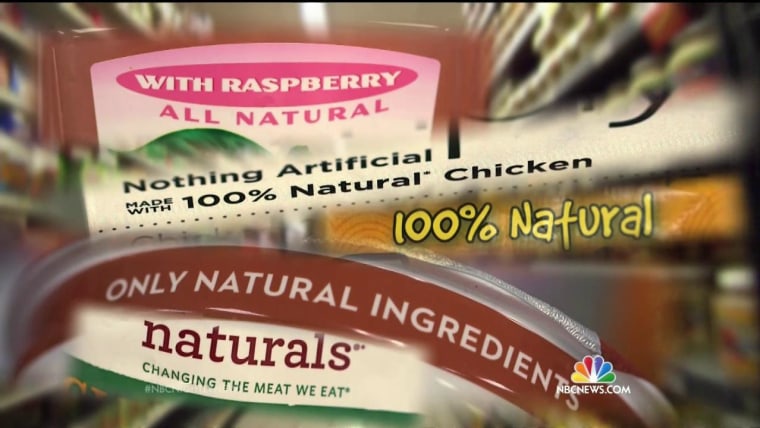
'Natural' Food Labels Can Be Misleading, Advocates Say
5 Misleading Food Labels - Gaples Institute But gauging the health quality of foods can be a daunting challenge—made all the more difficult by misleading nutrition labels. Here are 5 common food-labeling tricks to watch out for, along with some proven strategies to avoid falling victim to marketing gambits: 1. Label says "Made with Whole Grains" Implies: 100% of grains used are whole.
Beware of Misleading Food Labels | Enhance Nutrition
Whole grains or no grains? Food labels can be misleading Food labels can be misleading September 30, 2020 By Katherine D. McManus, MS, RD, LDN, Contributor Food labels contain a wealth of information: calories, serving size, and the amounts of fat, sugar, vitamins, and fiber contained in a food, among other things. But do consumers know how to effectively use this information?

How to Reduce Your Food Miles and Lower Your Carbon Footprint | unite for climate
Misleading Labels? Learn which labels you can trust with AGW. Legally, this label term simply means the internal temperature of the meat must never go below 26° F. Vegetarian Diet This label claim indicates the chickens were fed a diet free of animal products. But there is no legal definition for this claim and there are no independent checks on farms relating to this claim, so we can't know if it's true.
In Pictures: 29 Foods With "Health Claims" That Are Deceiving You And Making You Sick - Modern ...
Can Food Labels Be Misleading? | HuffPost Life Omega-3 Fatty Acids. Studies from these healthy fats show that they may reduce the risk of heart disease, stoke, cancer, arthritis and other autoimmune diseases. Some studies suggest you need about 3.5 grams daily. The best choices are one quarter cup walnuts, 3 oz salmon or 1 ½ tsp of flaxseed oil.
Kellogg’s withdraws IMMUNITY claim! – Food Politics by Marion Nestle
8 misleading food marketing labels | AGDAILY It turns out that many, if not most of them, really aren't. Here are 8 of the most common misleading food marketing claims: 1. No nitrites or nitrates added. Although this particular labeling regulation may be changing soon, you may have noticed the "No Nitrites or Nitrates Added" label on processed meat products, such as deli meats and ...

Misleading Food Labels | 10 Tips on how to be a more educated consumer
food labels can be misleading - News / Blog - Regular Girl Fox news viewers taught to avoid misleading high-fiber food labels. By Sunfiber on July 10, 2014 in Sunfiber. Who has time to try to figure out complicated food labels? While it may seem easier to choose brands prominently labeled as "high fiber" or "fiber-enriched", it may not be smart. As Rogue Nutritionist Dr. Jonny Bowden explained ...

These Three Food Label Claims Are Completely Misleading - Business Insider
Why Misleading Food Labels Are Everywhere - Chris Kresser For example, chicken breasts can have added chicken broth (with unknown contents) that comprises up to 15 percent of the total package weight! Other times, food labels can be downright misleading. Certain marketing phrases added to packaging try to convince us that foods are healthier than they might actually be. Don't fall for them! "Gluten-Free"

Top 10 Misleading "Healthy" Food Labels To Watch Out For
How can food labels be misleading? | Nutrition - Sharecare If there is more than one serving, you will need to multiply the calories and nutrients by the number of servings indicated on the bottle to estimate the correct amount you consumed. No added sugar can also be misleading when the label on a can of fruit packed in fruit juice has grams of sugar listed on the label.

What does the u symbol mean on food labels - ALQURUMRESORT.COM
Misleading Food Labels Misleading food labels could put you at risk. Food producers often use labels as a marketing tool & you might not be getting what you think

Happy Life, Healthy Life: Deceiving Food Labels
'Natural' Food Labels Can Be Misleading, Advocates Say U.S. news 'Natural' Food Labels Can Be Misleading, Advocates Say The "natural" label can be found on everything from tomatoes to processed ham to root beer, but there is no standard for what...
These Three Food Label Claims Are Completely Misleading
How food labels can mislead shoppers about fat content A spokesman for the Food Standards Agency, which has a role in policing labelling, said it was waiting for the EU to act on misleading claims such as 'light' or 'lite'. She said: 'There are no...

14 Best La Nourriture images in 2012 | Food, Eat clean recipes, Healthy eating recipes
Are Food Labels Misleading? - Irene's Myomassology Institute Logos or phrases are often placed prominently on the package to advertise an aspect of a food's nutritional value. Examples include "organic", "all-natural", "free-range", "made with whole grains", or "helps support a healthy heart". Some of these phrases can be misleading health gimmicks with no legal definition and are effectively meaningless.

How to not be tricked by misleading vegan-linked food labels and terms
Sneaky diet culture: How food labels can be misleading If you're looking for foods that pack the most nutrition for your dollar, dietitians recommend reading the nutrition facts panel instead of food marketing labels. Foods that are high sources of nutrients will contain 10% to 20% of the Daily Value (DV) of vitamins, minerals or fiber. For example, real milk is a good source of calcium (25% DV ...
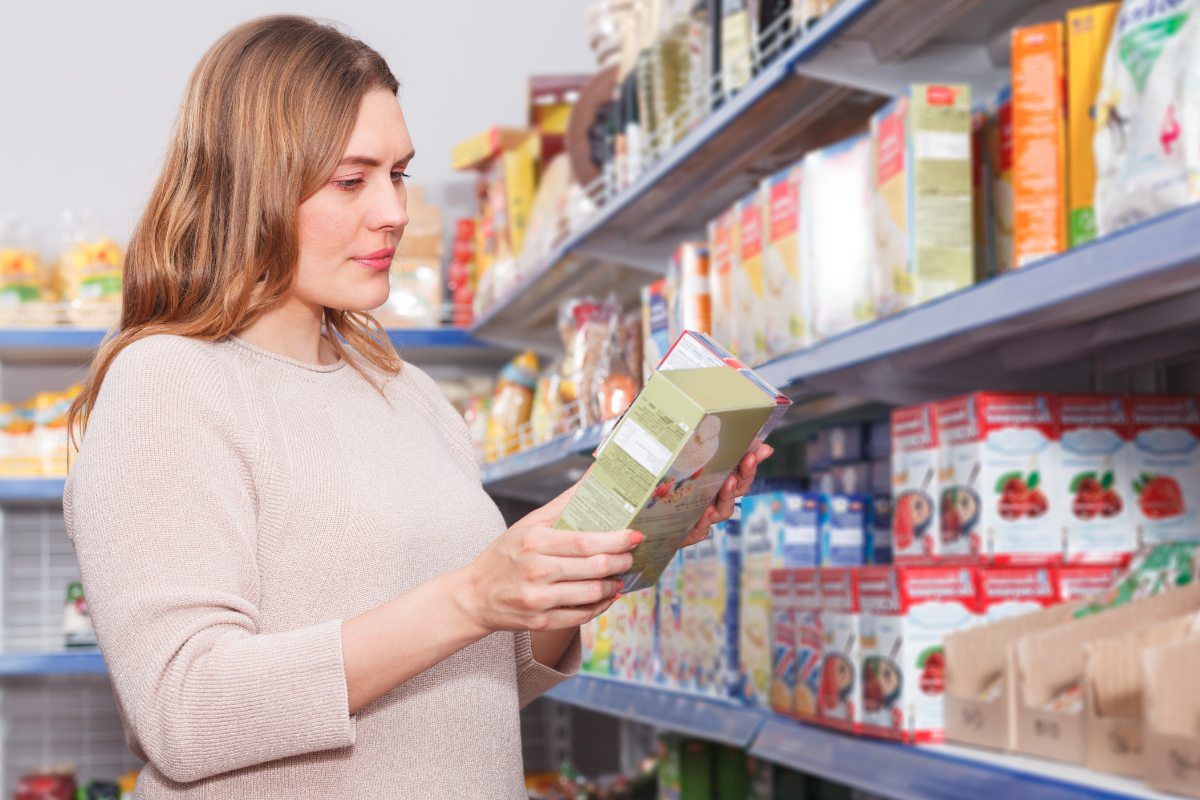
Reading Food Labels Without Being Tricked — Get Your Lean On
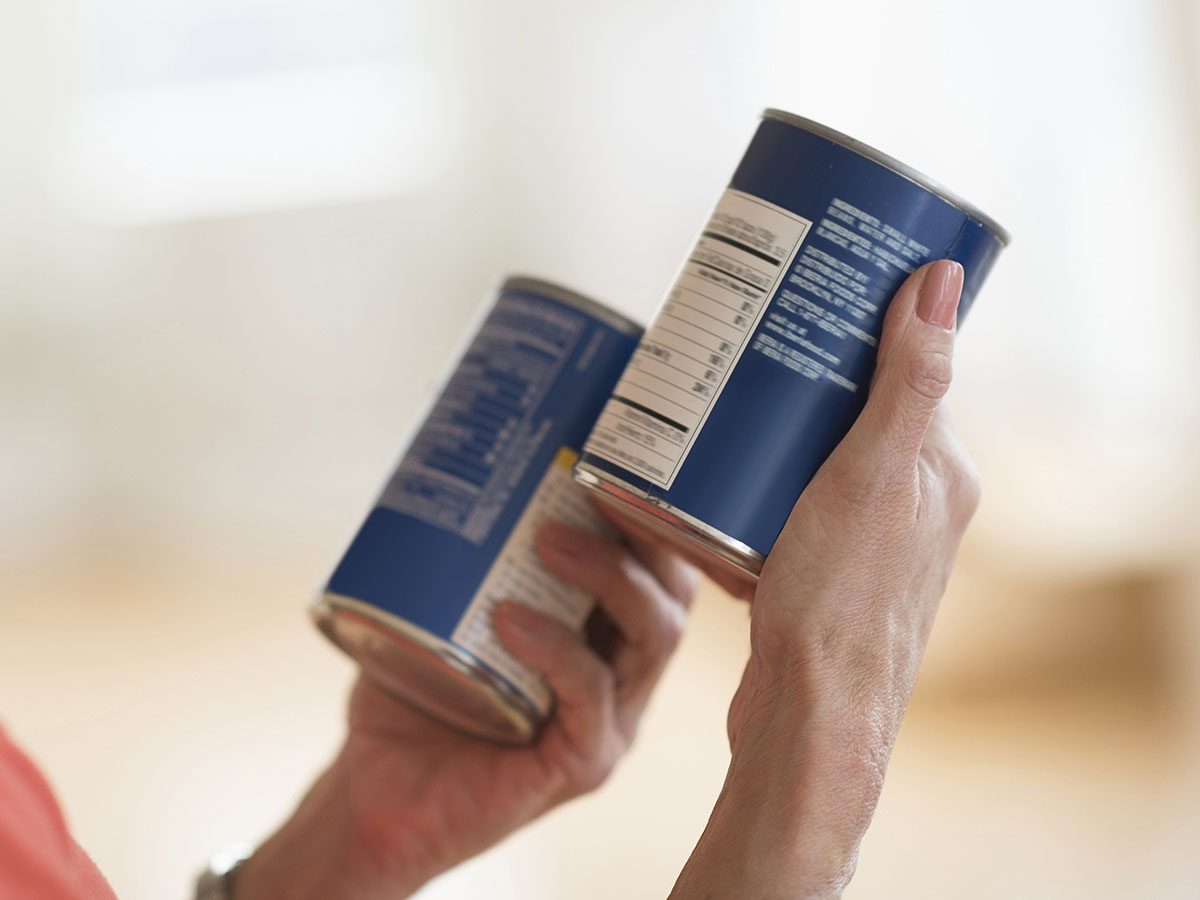
Ways You’re Reading Food Labels Wrong | Best Health Magazine Canada

Funny Food Labels - Gallery | eBaum's World

16 Most Misleading Food Labels

33 Food Label Misleading
Post a Comment for "45 how food labels can be misleading"