44 is country of origin required on food labels
Mandatory country-of-origin labeling (US) - Wikipedia For country of origin labeling in general, see Country of origin § Labelling requirements. Country of origin labeling (COOL) (or mCOOL [ m for mandatory]) is a requirement signed into American law under Title X of the Farm Security and Rural Investment Act of 2002 (also known as the 2002 Farm Bill), codified at 7 U.S.C. § 1638a as Notice of ... Country of Origin Labeling (COOL) | Agricultural Marketing Service Country of Origin Labeling (COOL) is a labeling law that requires retailers, such as full-line grocery stores, supermarkets and club warehouse stores, to notify their customers with information regarding the source of certain foods. Food products covered by the law include muscle cut and ground meats: lamb, goat, and chicken; wild and farm ...
Food labelling: country of origin - GOV.UK country of slaughter. If all these activities took place in a single country, the label 'Origin: [name of country]' is acceptable. For the GB market, 'United Kingdom' is the origin label ...
Is country of origin required on food labels
CPG Sec 560.200 Country of Origin Labeling | FDA - U.S. Food and Drug ... CPG Sec 560.200 Country of Origin Labeling November 2005. CPG Sec 560.200 Country of Origin Labeling. Food labeling statements regarding geographical origin must not be false or misleading in any ... Origin Labeling Requirements for Imported Commodities Passed On June 8, 2021, the Senate passed the United States Innovation and Competition Act of 2021 which included the proposed country of origin labeling COOL requirements in Section 2510 of the Act. Compliance FAQs: Packaging and Labeling in the US | NIST There are many regulations, depending on the product, with which a product's label or markings must be in compliance before being sold in the United States. Labeling requirements related to legal metrology (i.e., products and commodities sold in package form by weight, measure or count) must comply with The Fair Packaging and Labeling Act ...
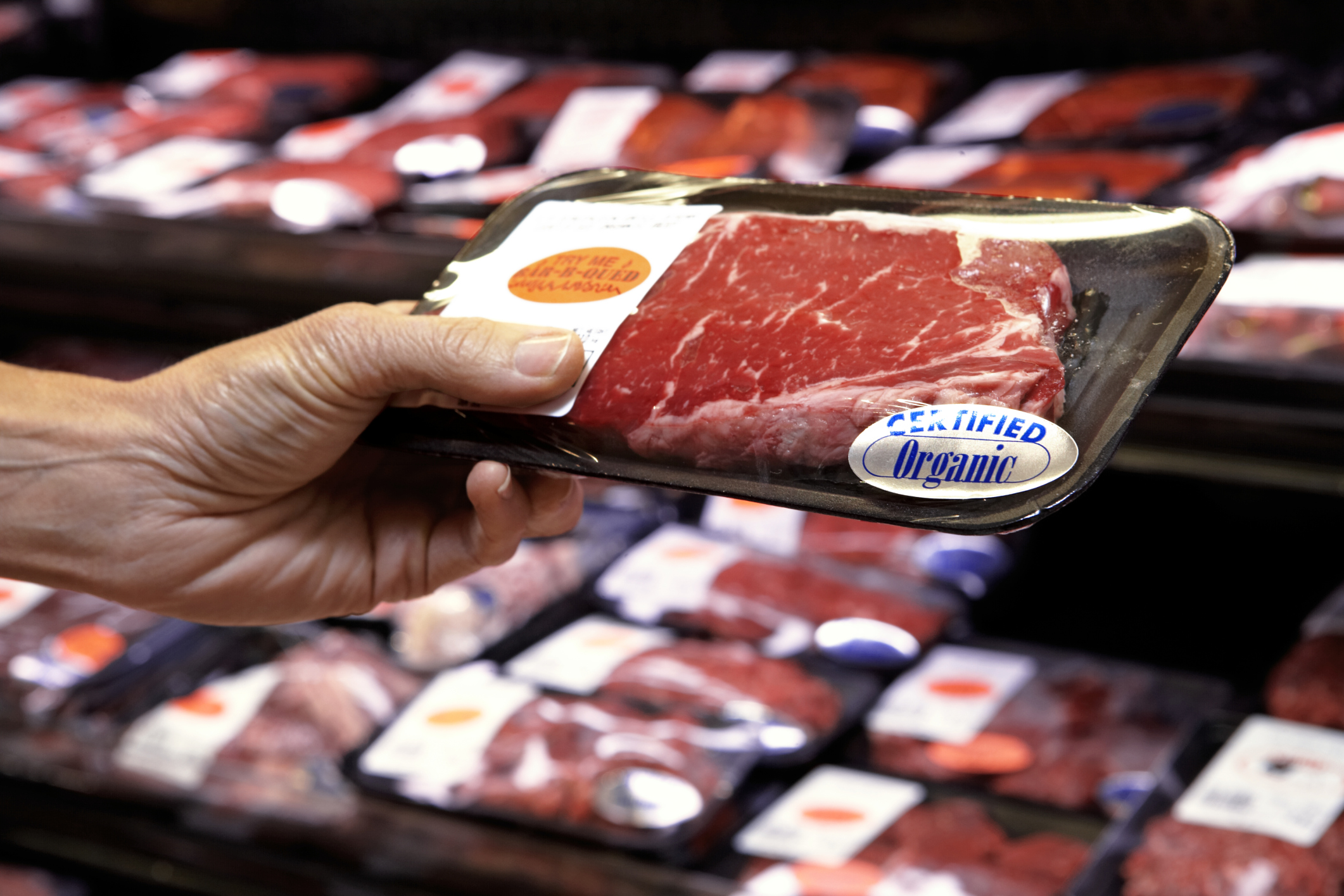
Is country of origin required on food labels. Switzerland - Labeling and Marking Requirements Switzerland has stringent labeling requirements for food, including ingredients and health information, but also country of production and origin of ingredients. Full information can be found on the Federal Food Safety and Veterinary Office website. All foods and additives including genetically modified organisms (GMOs) must be labeled as such. Country of Origin Labeling (COOL) Frequently Asked Questions Country of Origin Labeling (COOL) is a consumer labeling law that requires retailers (most grocery stores and supermarkets) to identify the country of origin on certain foods referred to as "covered commodities". The 2002 and 2008 Farm Bills and the 2016 Consolidated Appropriations Act amended the Agricultural Marketing Act of 1946 to ... Which foods are covered in the country of origin labeling law? - USDA Foods that must be labeled with their country of origin are: 1. Muscle cuts of beef (including veal), lamb, pork, goat, and chicken; 2. Ground beef, ground lamb, ground pork, ground goat, and ground chicken; 3. Wild and farm-raised fish and shellfish; 4. Perishable agricultural commodities (fresh and frozen fruits and vegetables); 5. A Brief History and Overview of Country of Origin Labeling Requirements ... Country of Origin Labeling (COOL) laws and regulations require retailers to notify their customers of the country of origin of covered commodities, which include beef, veal, lamb, chicken, fish and shellfish, goat, pork, perishable agricultural commodities, macadamia nuts, pecans, ginseng, and peanuts. One might think that this is a simple matter, but as with most regulatory requirements ...
Sandy Howell on LinkedIn: Is country of origin labeling required for ... If the imported meat or meat products are further processed in the United States, country of origin labeling is no longer required on the newly produced products or subsequent products made from them. Country of Origin Food Labeling | Jenn David Design The Country of Origin Labeling requirement states that "Food labeling statements regarding geographical origin must not be false or misleading in any particular.". So it would be incorrect to state that the cocoa is a product of both Mexico and Chile on the label. You would need two labels in this case—one for each respective country of ... Marking of Country of Origin on U.S. Imports Other products with special labeling requirements include tobacco (the Surgeon General's Warning Statement), food and pharmaceuticals, and automobiles. ... Watches and clocks are also subject to the normal country of origin marking requirements of 19 U.S.C. 1304, and under these requirements, the movement's country of origin should appear ... Country of Origin Marking - U.S. Customs and Border Protection GenerallyFor goods made in one country with no foreign inputs, determination of the country of origin is easy--it is the country of production. Increasingly, however, goods are processed in multiple countries using both domestic and foreign materials, thereby complicating the determination of the country of origin. The NAFTA provides that Canada, Mexico and the United States write specific ...
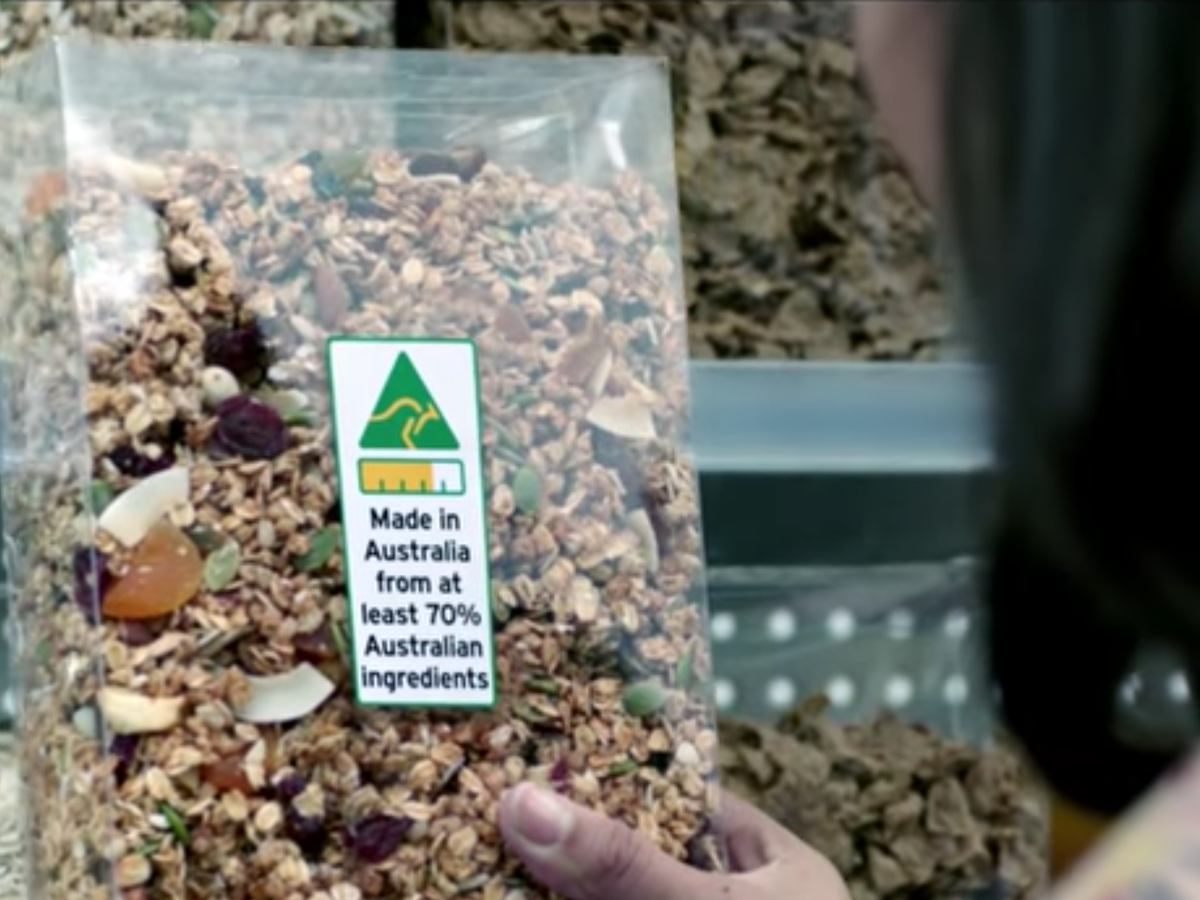
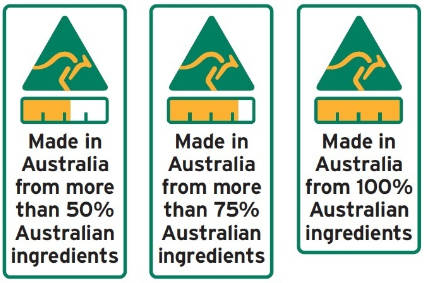
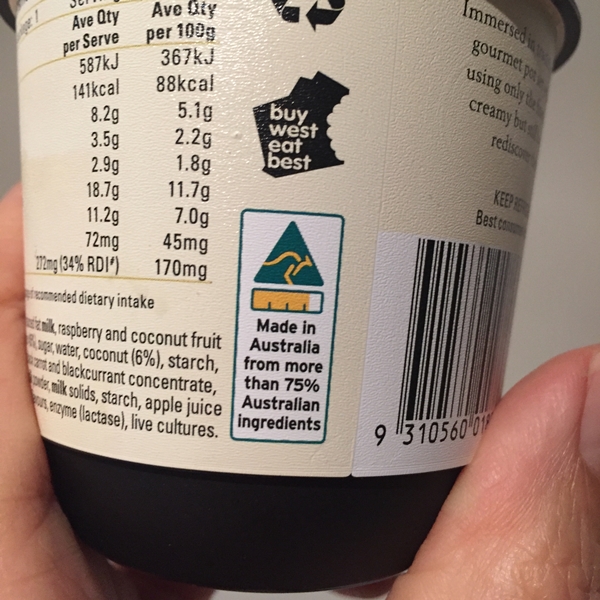
Country of Origin Labeling of Agricultural Products Rules, Examples, Requirements, Recordkeeping More consumers are checking product and food labels after recent imported product issues and continued health education and awareness campaigns. This growing consumer interest along with other food production issues prompted the federal government to devise laws requiring suppliers to state the origin of specific covered commodities. Country of origin food labelling | ACCC - Australian Competition and ... a text statement with an origin claim for the food and identifying the percentage of Australian ingredients in the food. Country of origin statement - a text-only label which is used for non-priority food items. Imported priority foods must also, as a minimum, carry a country of origin statement in a clearly defined box (a box is not require ... Country of origin food labelling | business.gov.au All other food products are priority foods to which the Information Standard applies and the standard mark is mandatory. Country of origin labelling is not required on the following food products: foods not for human consumption (for example, pet food) foods sold in restaurants, cafes, take-away shops or schools. foods sold at fundraisers. Country of origin labelling - Food Standards The Australian Government introduced a country of origin food labelling system under Australian Consumer Law on 1 July 2016. Country of origin labelling requirements for food is in the Country of Origin Food Labelling Information Standard 2016, under the Competition and Consumer Act 2010. These requirements became mandatory on 1 July 2018.
New food labels should go further than country of origin
Country of origin labelling | Department of Industry, Science and Resources If you sell food in retail stores in Australia, you must consider if your products need country of origin food labels. Country of origin labelling requirements for food are in the Country of Origin Food Labelling Information Standard 2016. You can design and apply your own labels as long as they meet the standard.

Food Standards Agency finds no country of origin slip-ups
Must processed food products have a country of origin label? - USDA Jul 17, 2019. Knowledge Article. Retail items that meet the definition of a processed food item do not require labeling under the COOL final rule. For more information, visit Common Questions & Answers on Country of Origin Labeling. Live chat:
Economics of Food Labeling: Country of Origin
CPG Sec. 560.200 Country of Origin Labeling - Food and Drug Administration A statement of the country of origin on the labeling of imported foods is not required by the Federal Food, Drug, & Cosmetic Act. This is a requirement of the U.S. Customs *and Border
Australia sees July start for country-of-origin labels - Just ...
Country of origin on food labels - Canadian Food Inspection Agency Country of origin on food labels. In Canada, there are mandatory requirements for certain food products to indicate the foreign state (definition) of origin on their labels. Although foreign states include countries as well as World Trade Organization (WTO) members, the Industry Labelling Tool commonly refers to this requirement as country of origin labelling.

Labels of Origin on Food Products - CentralAmericaData :: The ...
Country of Origin Marking Requirements | PackagingLaw.com The Tariff Act regulations specify that articles of foreign origin entering the United States must be marked with the English name of the COO. The marking must be legible, located in a conspicuous place, and permanent. Articles that are incapable of being marked ( e.g., liquids) are exempt, but their containers must be marked with the COO of ...
10 things that MUST be on a food label - Catherine Saxelby's ...
Country of Origin Requirements in the United States: An Overview Country of origin labeling is mandatory for all consumer products imported and sold in the United States. Country of origin labeling is often as straightforward as printing a 'Made in [INSERT COUNTRY]' on the product and its packaging. That being said, there are exemptions for some products, and it's sometimes not that simple to determine ...

Mandatory food labeling a problem for Illinois-Canada trade
Country of origin food labels | Department of Industry, Science and ... The current requirements for country of origin labelling for food came into full-effect in July 2018. We reviewed the reforms in 2021. The review examined how well the reforms: improved consumer access to information about the origin of food; clarified the origin claims businesses can make about their products
Challenges to Country-of-Origin Food Labels | The Regulatory ...
How to Navigate the Country of Origin Food Labelling Requirements — Lau ... Requirements that must be met before the Australian country of origin labels can be used. When a food is grown, produced in, packed or made in Australia, it is mandatory that proportion of Australian content be disclosed. Where businesses cannot accurately identify the percentage of Australian content in a food, the claim that the food contains ...

Country of Origin Requirements in the United States: An Overview
Compliance FAQs: Packaging and Labeling in the US | NIST There are many regulations, depending on the product, with which a product's label or markings must be in compliance before being sold in the United States. Labeling requirements related to legal metrology (i.e., products and commodities sold in package form by weight, measure or count) must comply with The Fair Packaging and Labeling Act ...
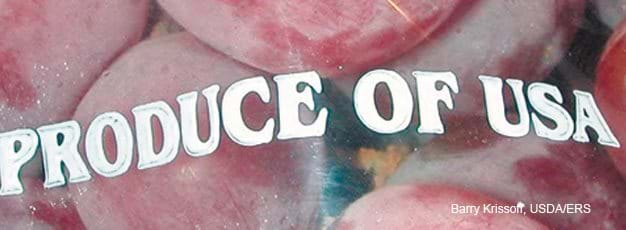
USDA ERS - Mandatory Country-of-Origin Labeling: Will It ...
Origin Labeling Requirements for Imported Commodities Passed On June 8, 2021, the Senate passed the United States Innovation and Competition Act of 2021 which included the proposed country of origin labeling COOL requirements in Section 2510 of the Act.
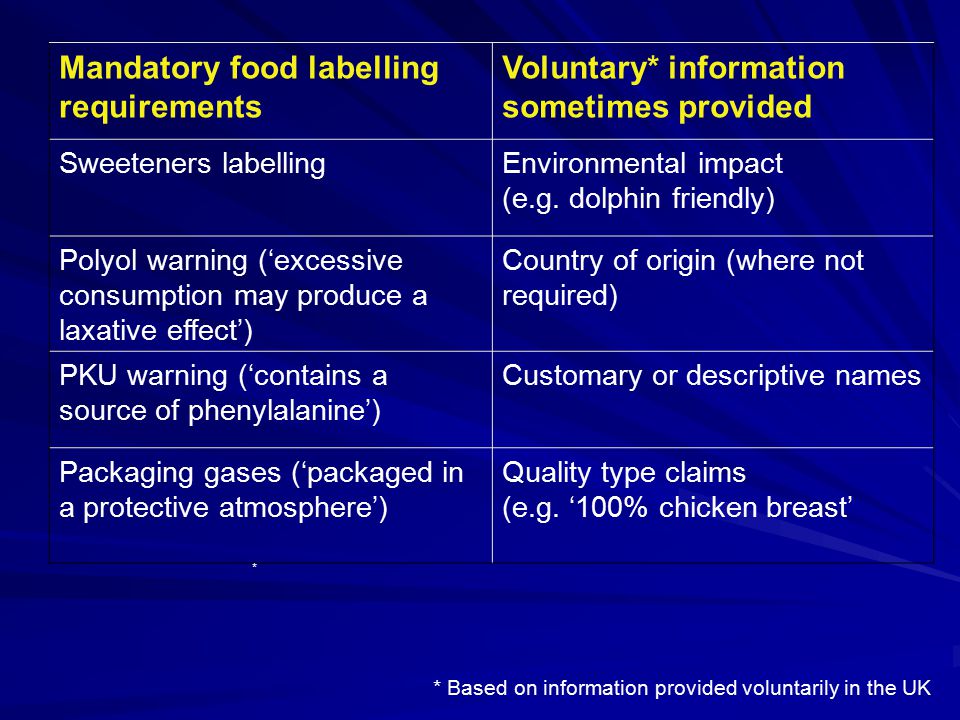
Food Labels: Knowing what's on them!. What is a Food Label ...
CPG Sec 560.200 Country of Origin Labeling | FDA - U.S. Food and Drug ... CPG Sec 560.200 Country of Origin Labeling November 2005. CPG Sec 560.200 Country of Origin Labeling. Food labeling statements regarding geographical origin must not be false or misleading in any ...

Country of origin food labelling to be voluntary, but not ...
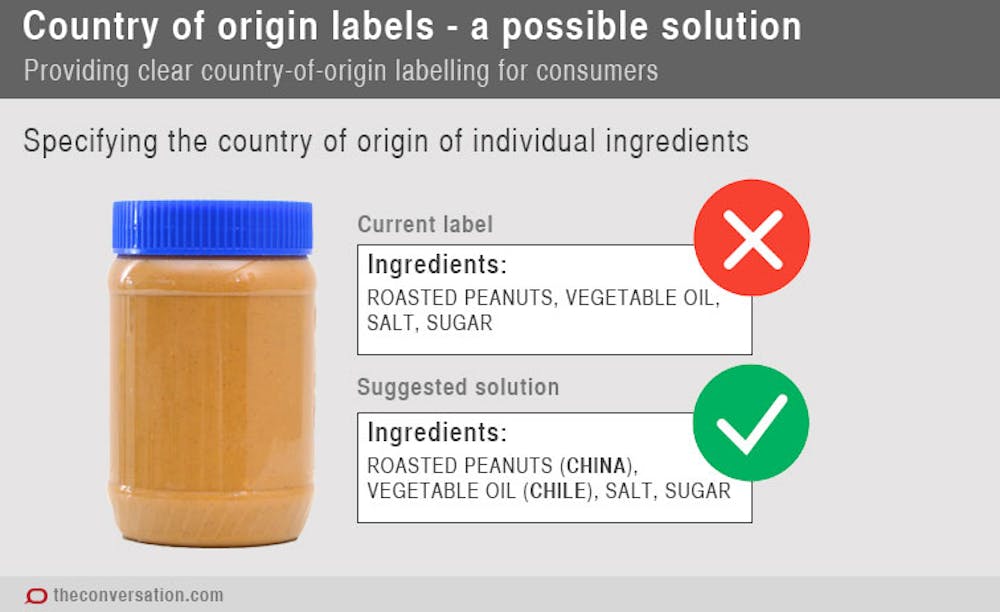
Government's proposed country-of-origin labels leave you to ...

Wrapped in the Flag: Food Choice and Country of Origin ...
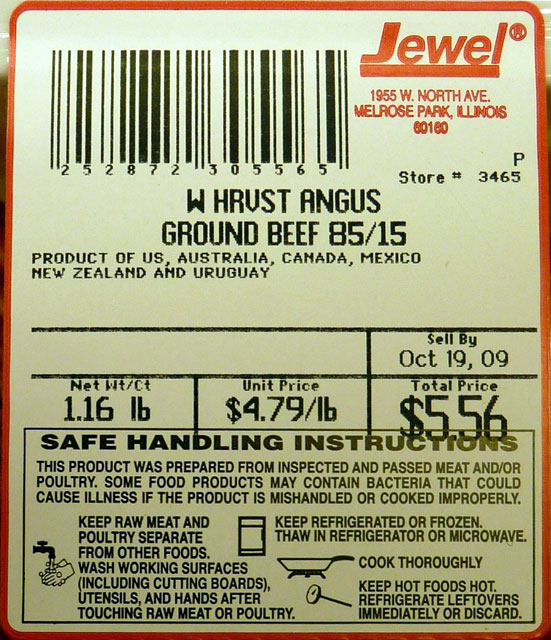
A COOL debate - Boulder Weekly
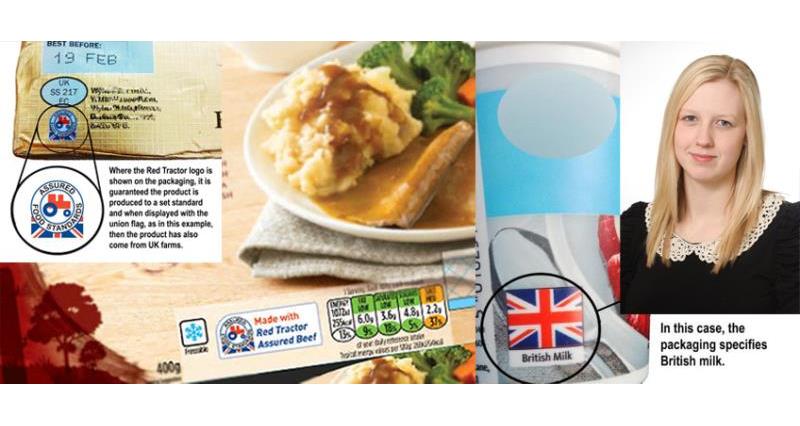
Archive – NFUonline

How to Navigate the Country of Origin Food Labelling ...
Country of Origin Food Labeling | Jenn David Design
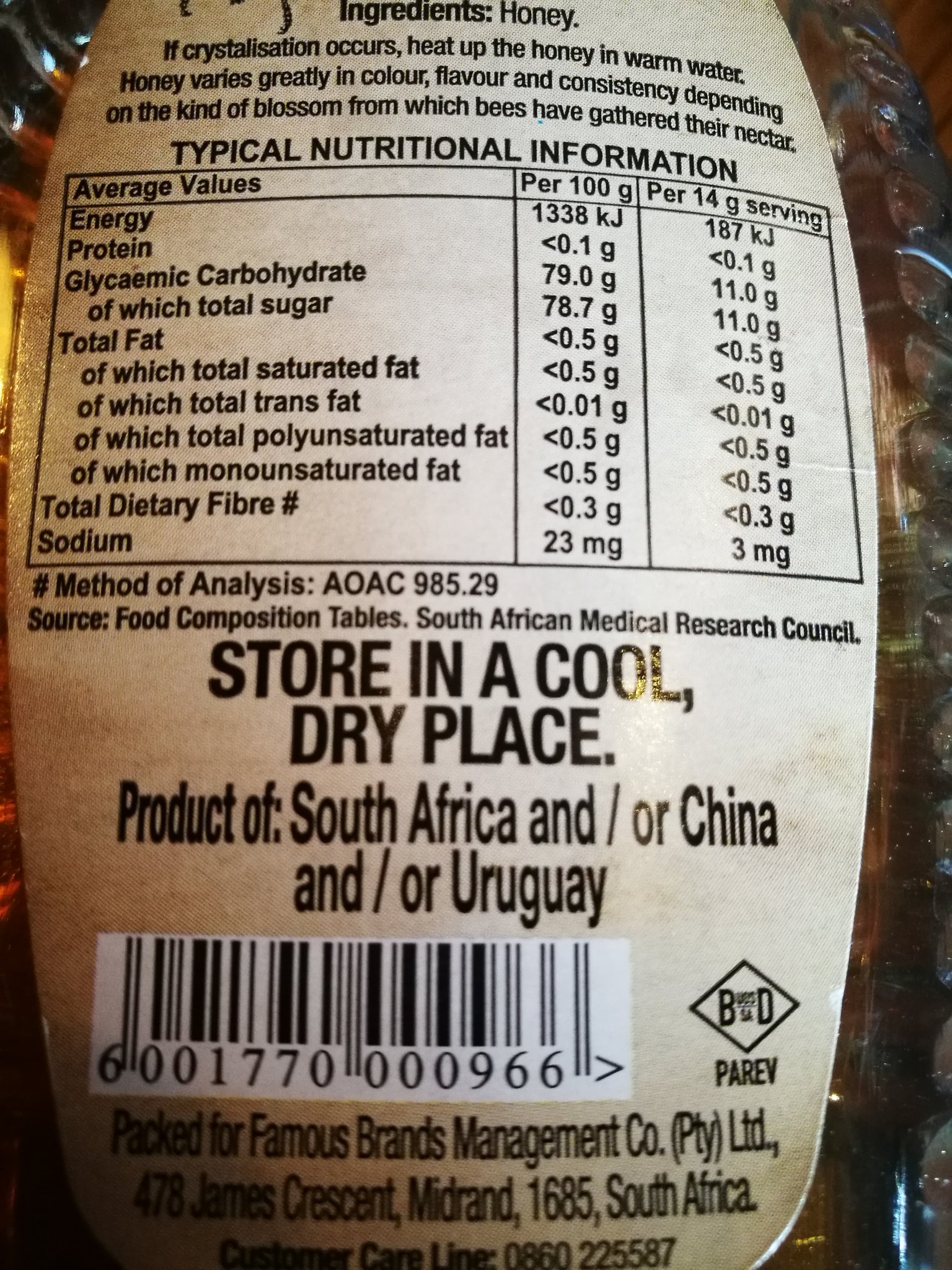
Aifheli Makhwanya on Twitter: "Food labeling is so important ...

Food Standards Agency - Food labelling e-learning course
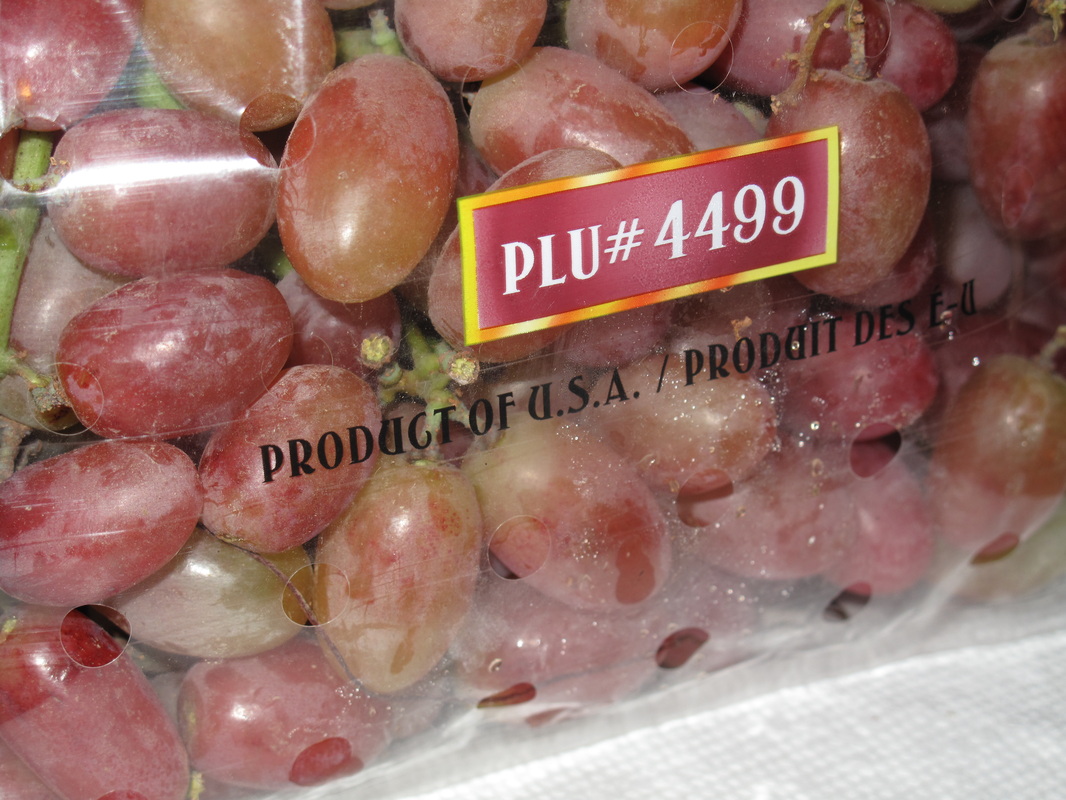
GoingTrueGreen's Blog Postings - Going True Green
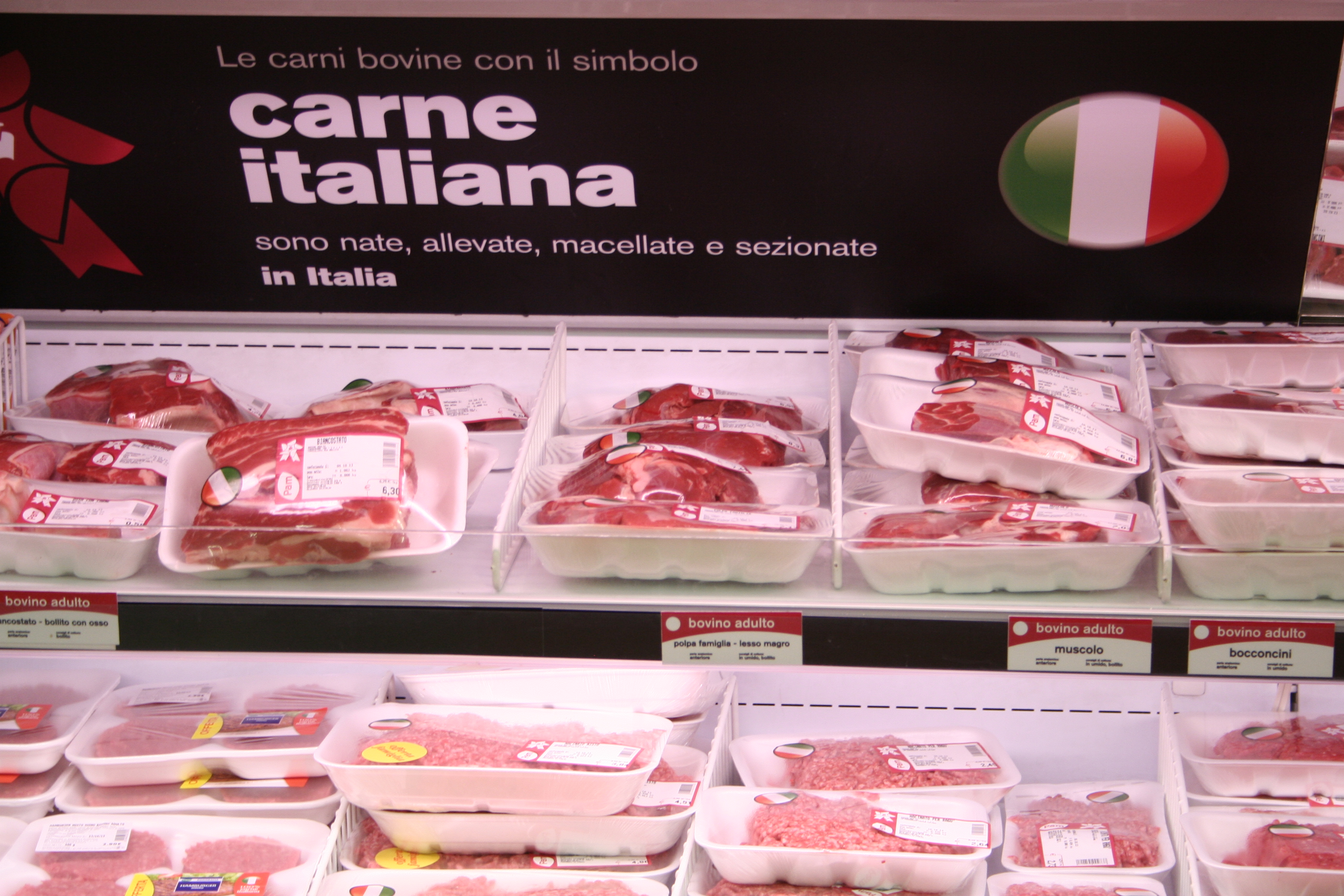
Country of Origin Labeling in Europe - Meat Science

Country of Origin Food Labelling Style Guide
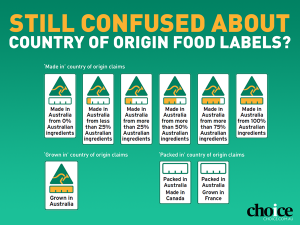
Country of Origin Food Labelling - how it affects you - Emrich

Food Labelling Requirements for Europe | ExportX
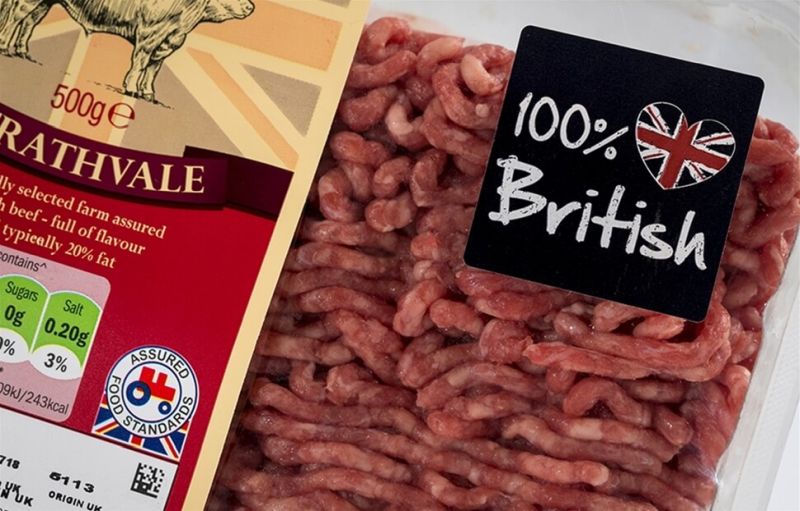
Calls made for 'proper British' meat labelling - FarmingUK News
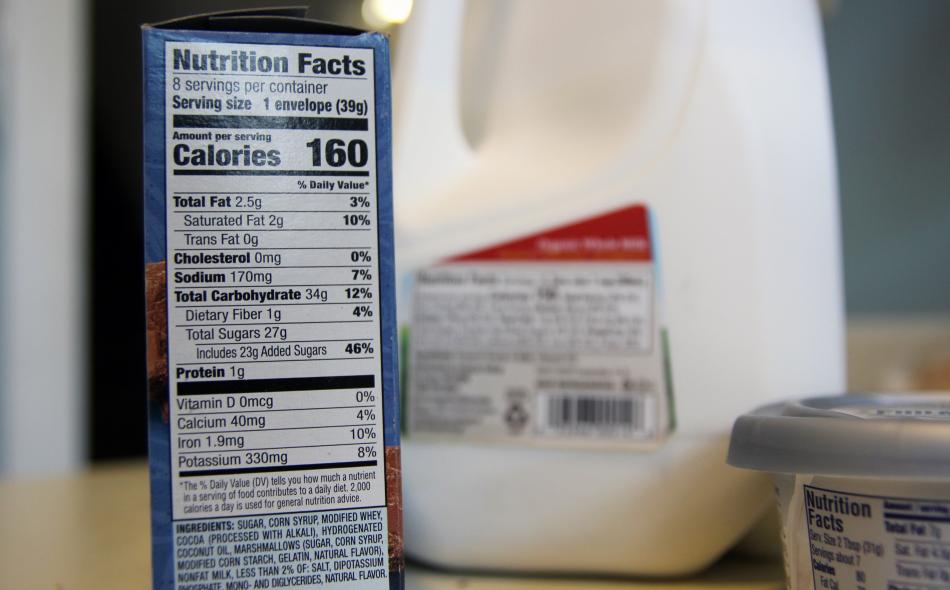
New NAFTA limits labeling for food and workplace chemicals | IATP

US FDA labeling requirements for food - FDABasics

What Is Country of Origin Labeling? An Overview
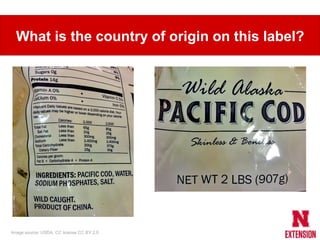
What's on a Food Label?
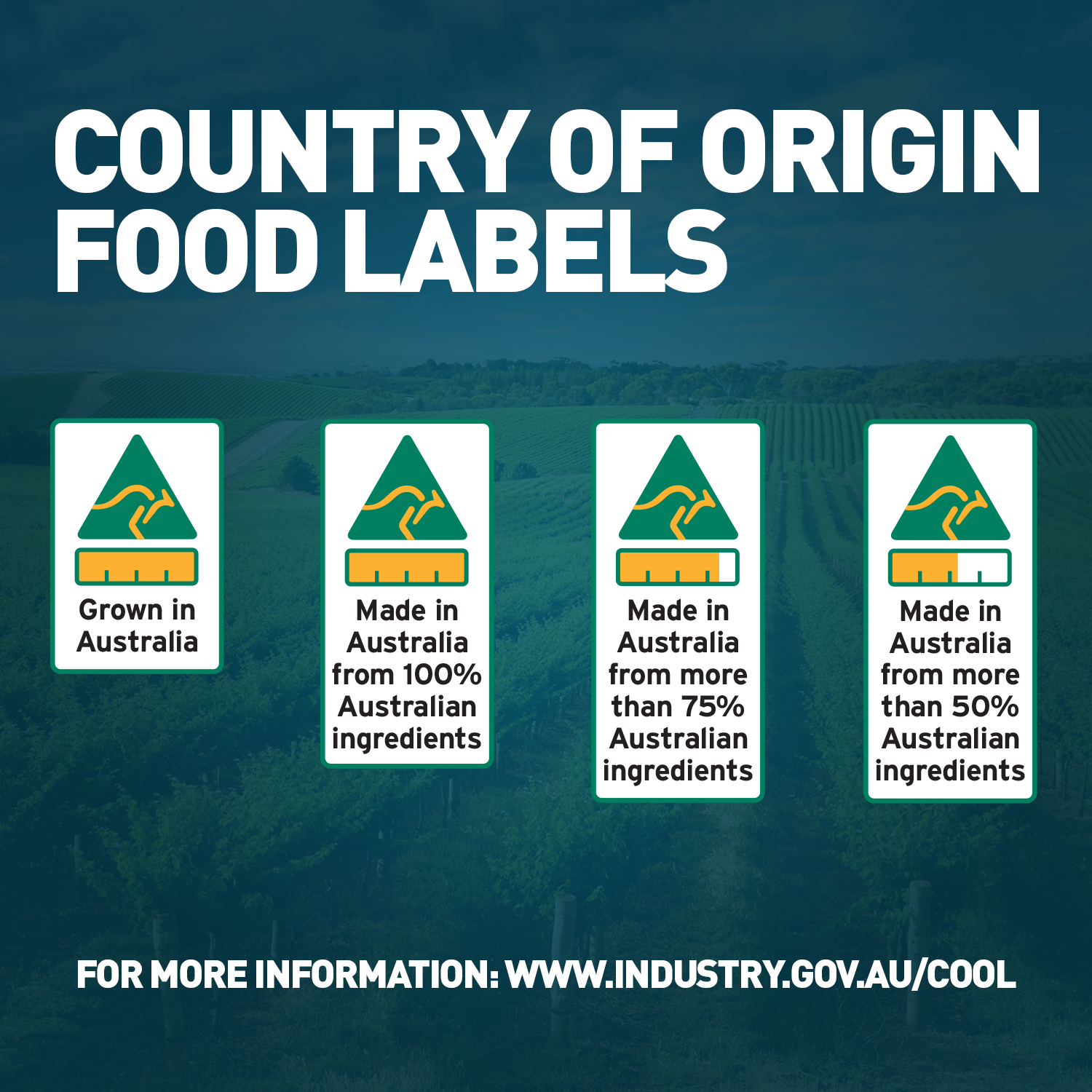
New country of origin food labels | Michael Sukkar MP
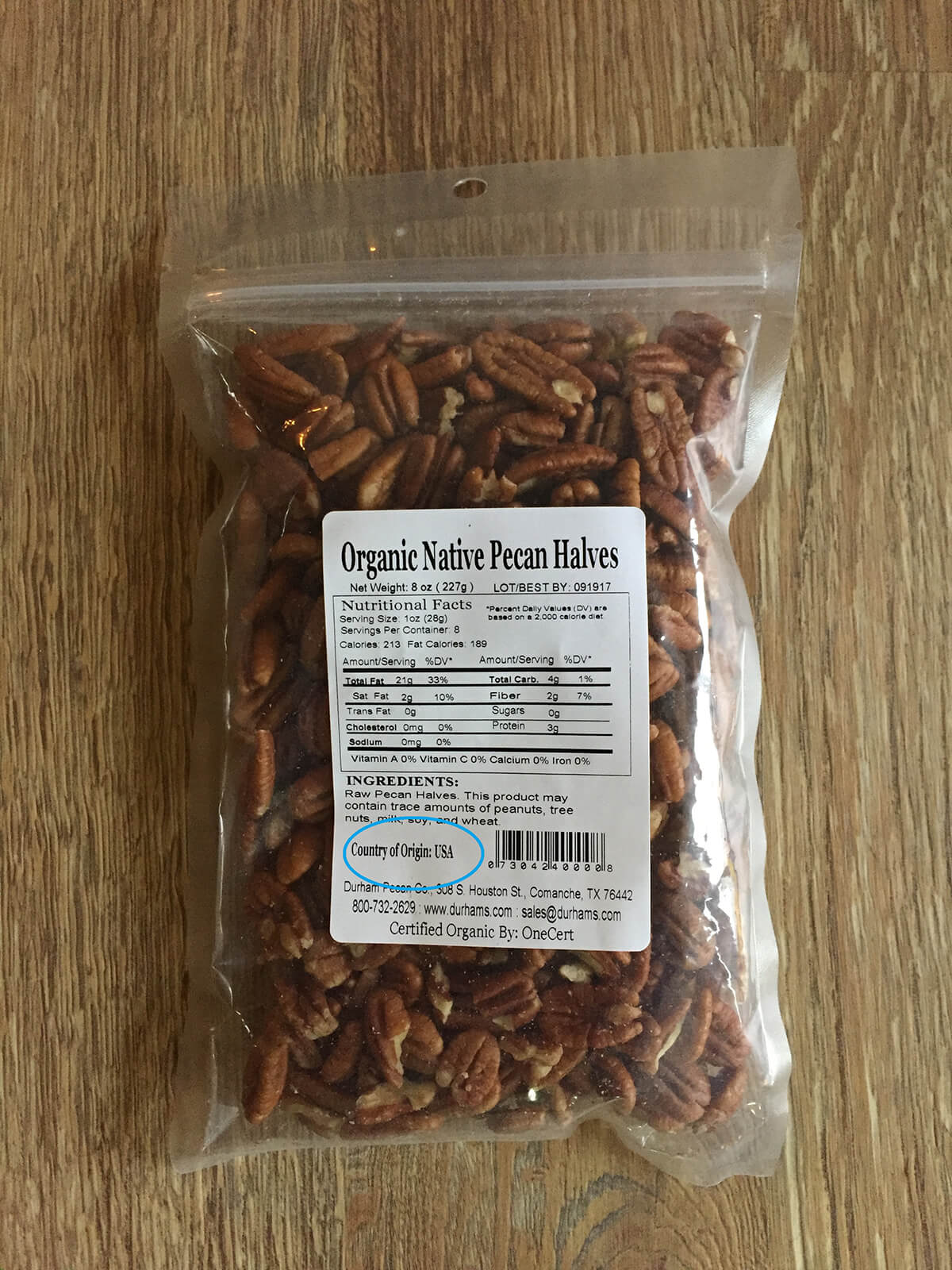
Demystify Food Labels – RecycleNation

Country of origin labelling explained

Country of origin labelling for food forums presentation
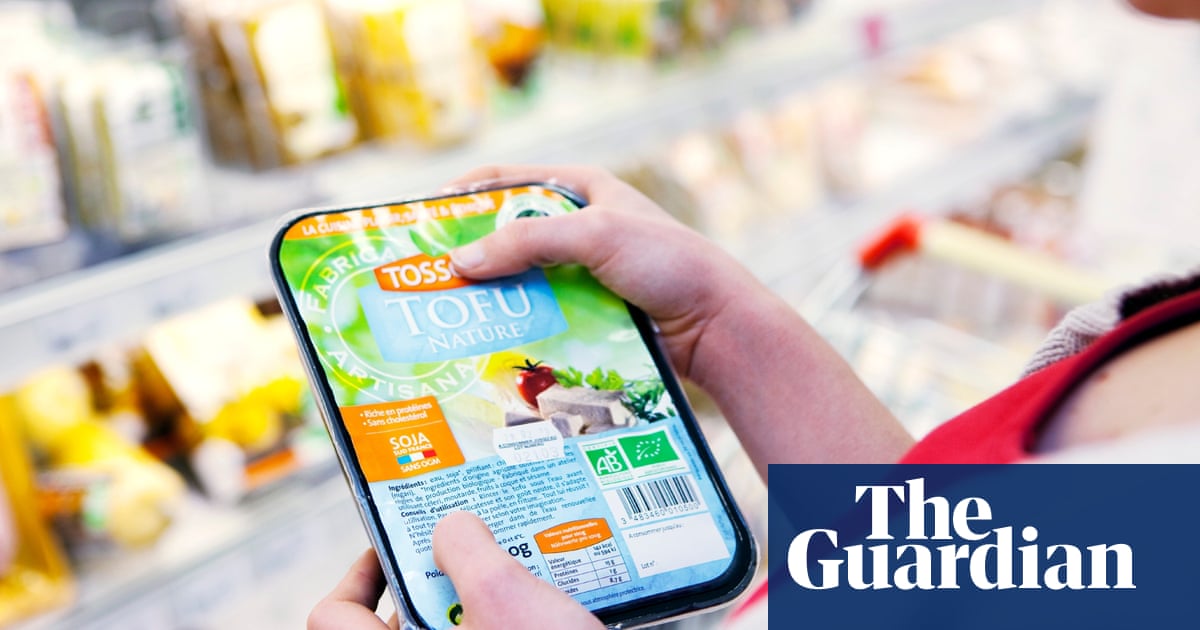
Differences between EU and US nutrition labels go far beyond ...
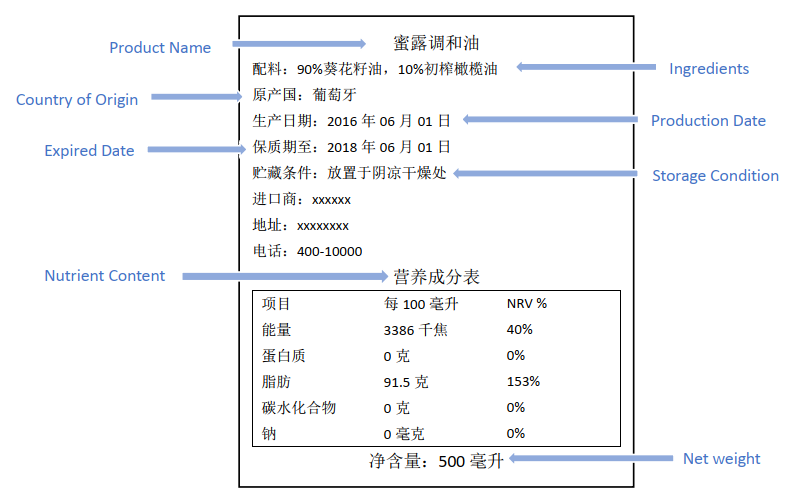
Label Review and Translation of Prepackaged Food - Regulatory ...
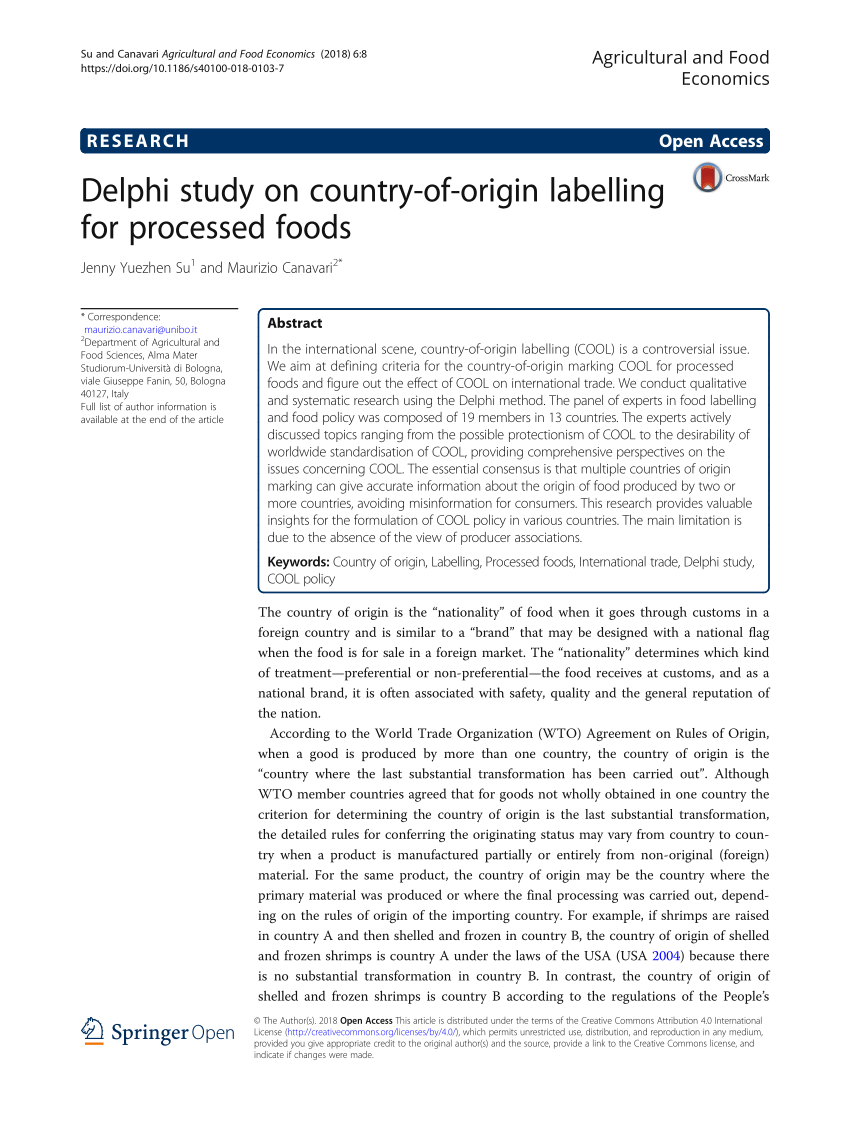
PDF) Delphi study on country-of-origin labelling for ...

Japan Released a Supplementary Document to Ingredient Origin ...
Country of origin' labels on pork products unclear, butchers ...
Green party wants mandatory country of origin labelling
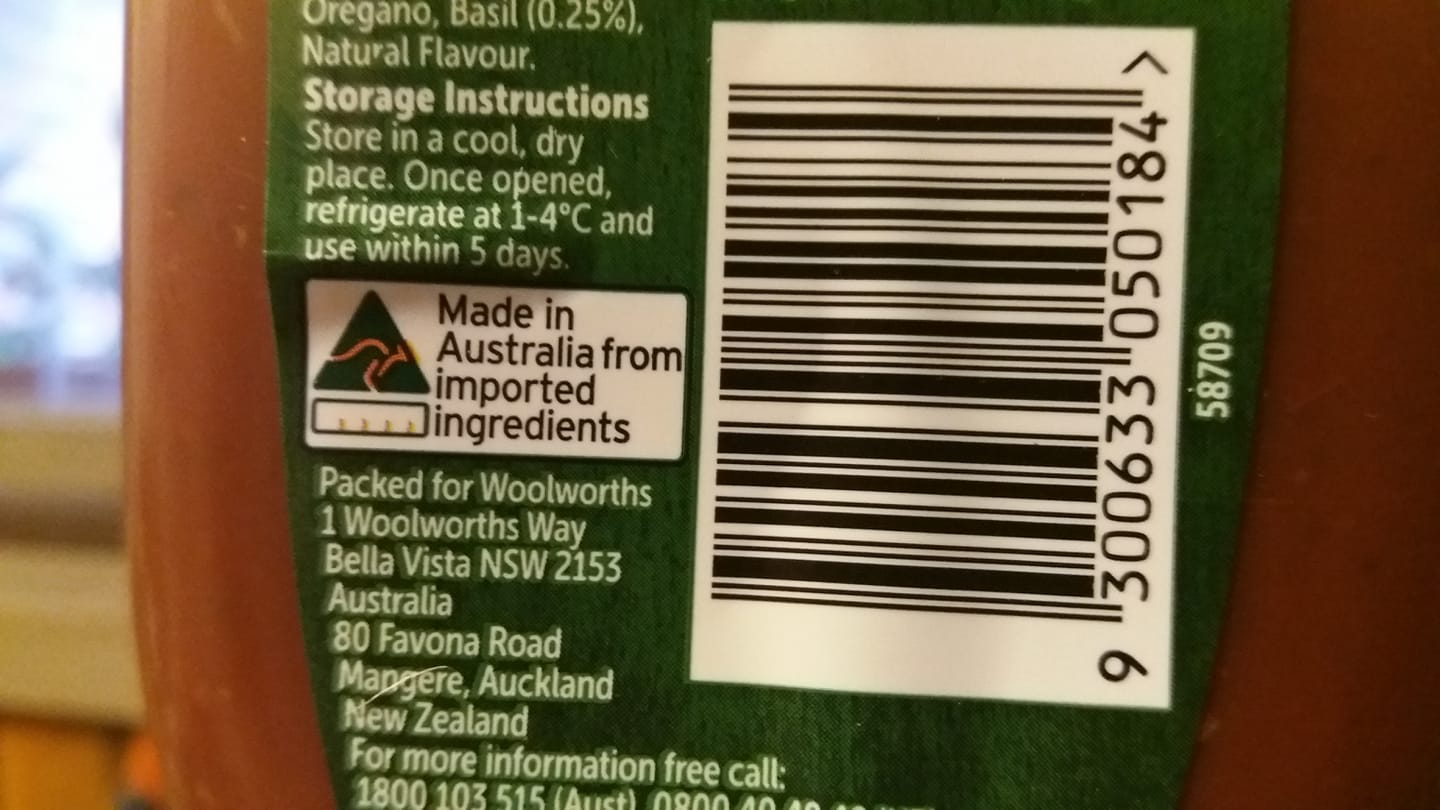
Product country of origin and deceptive labelling - Shopping ...
Country of Origin Food Labeling | Jenn David Design
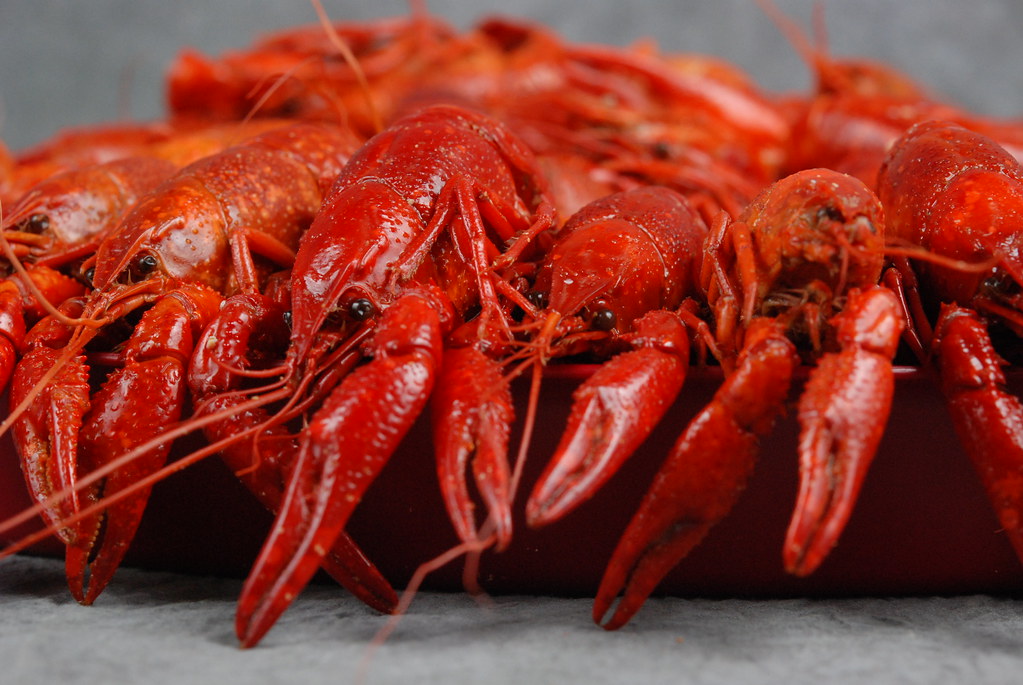
USDA announces it will revisit country of origin labeling ...

Country of origin food labelling to be voluntary, but not ...
Post a Comment for "44 is country of origin required on food labels"