39 new food labels australia
Food Labelling & Allergen Guide - Australian Food and Grocery Council The Australia New Zealand Food Standards Code (the Code) requires that a date mark be present on packaged food where the shelf life of the food is less than two years. The intention of date marking is to ensure consumer safety, provide a guide to retailers when to remove stock from sale, and provide a guide to consumers about the freshness and quality of the food. Food labelling and imported food | business.gov.au When the transition period ends on 1 July 2018, food entering Australia must be labelled according to the requirements of the Information Standard or penalties will apply. However, stock in trade (food products that are packaged and labelled according to the Food Standards Code on or before 30 June 2018) can still be sold without the new labels.
Labelling laws | NSW Food Authority Labelling requirements for food sold in Australia and New Zealand are set by the Food Standards Code. Provisions for nutrition labelling on menus at larger fast and snack food outlets are also contained in the Food Act 2003 (NSW) and in Food Regulation 2015. The NSW Food Authority is responsible for administering and enforcing these provisions in NSW.
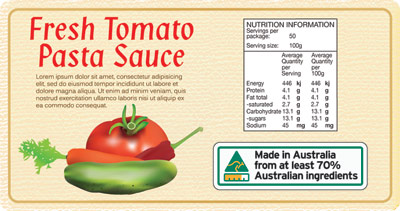
New food labels australia
Develop your own label. - Correct Food Systems The Australian Food & Grocery Council also has a useful best practice guide to allergen management and labelling . (2019), which does not reflect the recent changes to FSANZ Plain English Allergen Labelling (2021). Directions for use Food Standards FSANZ develops food standards for Australia and New Zealand. The Code is enforced by state and territory departments, agencies and local councils in Australia; the Ministry for Primary Industries in New Zealand and the Australian Department of Agriculture and Water Resources for food imported into Australia. Read the list of agencies and ... Current food recalls - Food Standards Australia's safe food system . Australian Public Service employee census 2021. Committees and groups. Feedback and complaints. Food enforcement contacts . Food law and treaties. Information Publication Scheme. Measuring Up. Modernisation of food regulation. Our role in supporting nutrition-related public health . Service Charter. Stakeholder ...
New food labels australia. Food labelling | NSW Food Authority New requirements for labelling the most common allergens in food commenced on 25 February 2021. The changes to the Food Standards Code will help people find allergen information on food labels more quickly and easily, so they can make informed and safe food choices. For more information see Changes to allergen labelling . Nutrition information panels - Food Standards Nutrition information panels. Nutrition information panels (NIP) on food labels provide information on the average quantity of energy in kilojoules or in kilojoules and kilocalories and these nutrients: sodium - a component of salt. A NIP will include information about other nutrients if a claim is made. For example, if a food has a 'good ... Labelling - Food Standards Labelling. Food labels can provide a wide range of information to help consumers make food choices. Food labels also help to protect public health and safety by displaying information such as use by dates, ingredients, certain allergens, instructions for storage and preparation, and advisory and warning statements. FSANZ sets standards for what ... Country of origin labelling - Food Standards The Australian Government introduced a country of origin food labelling system under Australian Consumer Law on 1 July 2016. Country of origin labelling requirements for food is in the Country of Origin Food Labelling Information Standard 2016, under the Competition and Consumer Act 2010. These requirements became mandatory on 1 July 2018.
Avery - Experts in Blank & Custom Printed Labels & Stickers ... Avery are the leader in blank and custom printed labels & stickers. Shop online today and browse our huge range of sizes, shapes and colours. Fast shipping across Australia and New Zealand. Changes to allergen labelling | NSW Food Authority New requirements for labelling the most common allergens in food commenced on 25 February 2021. The changes to the Food Standards Code will help people find allergen information on food labels more quickly and easily, so they can make informed and safe food choices. using consistent names that are simple, plain English and in bold font. The Best Dry Dog Food Kibble Australia - Gentle Dog Trainers Mar 24, 2022 · It is important to understand that the commercial dog food industry in Australia is a largely unregulated. That is why it is very important to be sure to learn how to read labels, look for excellent sources of protein as the number one ingredient, and check for a guaranteed nutritional analysis on any dog food you buy. Food labelling FAQs | ACCC The Country of Origin Food Labelling Information Standard (Standard) commenced on 1 July 2016. The Standard establishes a new system for the country of origin labelling of food products sold in Australia. Businesses have up to two years to transition to the labelling requirements set out in the Standard.
Labelling - Food Standards Last updated: 7 September 2020. FSANZ sets food labelling standards in the Food Standards Code. These standards are enforced by the Australian states and territories and, in New Zealand, by the Ministry for Primary Industries (MPI). The Food Standards Code includes the general labelling and information requirements (Chapter 1 of the Code) that are relevant to all foods, and sets out which requirements apply in different situations (for example food for retail sale, food for catering purposes ... Labels & the law | NSW Food Authority In Australia, food manufacturers must ensure that food labels conform to the national Food Standards Code.Other laws also apply. Food Standards Australia New Zealand (FSANZ) develops the Food Standards Code and state authorities, like the NSW Food Authority, enforce it locally.. Everything said about a food on the label is also subject to Australian Consumer Law, which prohibits false ... Australia's new compulsory food labelling laws begin from July 1 Australians will now have a better idea about where their food is grown and made after tough new labelling became law on July 1. The new labels tell buyers what is 100 per cent grown in Australia or made in Australia from Australian ingredients, or if only the processing is done in Australia. They will also show what percentage of ingredients are from Australia. Australia - Labeling/Marking Requirements The joint Australia New Zealand Food Standards Code requires all packaged food to be labeled with nutritional information on how much fat, protein, energy, carbohydrates, and salt is in the product. Labels must also show the percentage of key ingredients and all the main ingredients that may cause allergies.
33 Food Label Requirements Australia - Labels Information List
PDF Australian Made, Australian Grown Logo The Logo & Food Labelling The new Information Standard sets out mandatory labelling requirements for all food products (priority and non-priority foods) offered for retail sale in Australia (except foods sold in restaurants, cafes, etc.) The new marks are mandatory for priority foods, but voluntary for non-priority foods.

Food Health Star labels are driving healthier products | Pursuit by The University of Melbourne
Food labelling - Health.vic All packaged foods sold in Australia must comply with the labelling requirements of the Australia New Zealand Food Standards Code, which applies in Victoria through the Food Act 1984. Food labels must carry essential information, so that consumers are informed of the nature and properties of foods before they buy. Food businesses must ensure that they do not mislead or deceive consumers with any claims made on food labels. Food importers must also comply with Australian labelling laws.

Hawaii Wildflower Honey Labels - Customer Ideas - OnlineLabels.com
Food labels explained | SA Health Food labels contain important information to help consumers make decisions about: nutrition; allergies; origin of food; food safety. Essentially food labels are there to provide us with basic information about what is in the food we eat. All food labels must conform to the labelling provisions of the Australia New Zealand Food Standards Code ...

Food Labelling Australia - Food Ideas
Grown in Australia? New food labelling system offers the answers Australian consumers will have more information about whether their food is grown or produced in the country after a new food labelling system comes into effect on Sunday. From 1 July,...

Lemon Sorbet Mocktail Recipe | Bundaberg Brewed Drinks
How to understand food labels | Eat For Health Sometimes labels will include nutrition content claims like 'low fat', 'reduced salt' or 'high fibre'. These claims can only be used if the food meets certain criteria. For example, with a 'good source of calcium' claim, the food must contain more than a set amount of calcium. While nutrition content claims can generally guide ...

Radish Antique Card Seed Co. Packet, Early White Turnip – thelabelman
Private Label Foods - We Bring Products To Life STEP 1. Define your product and how we can bring it to life. STEP 2. Research existing products and generate ideas on how to develop the best in field. STEP 3. Source local and imported ingredients to bring idea to life. STEP 4. Create custom product samples. STEP 5.

New changes to Country of Origin Food Labelling, taking place throughout Australia | SBS Your ...
P1044 - Plain English Allergen Labelling - Food Standards The Australia New Zealand Food Standards Code (the Code) requires these to be declared on labels when they are present in food. On 25 February 2021 the Code was amended to introduce new requirements for the labelling of allergens in food. These requirements include that allergen information is to be declared:

Seafood Logos, Badges & Labels+Bonus ~ Logo Templates ~ Creative Market
Food Safety Labels and Food Safety Solutions | Fildes Food Safety Fildes Food Safety is Australia’s leading supplier of high-quality food safety products, resources and commercial kitchen supplies. Fildes Food Safety supplies a wide range of food labels, commercial kitchen supplies and personal protective equipment to the hospitality, healthcare and education industries.
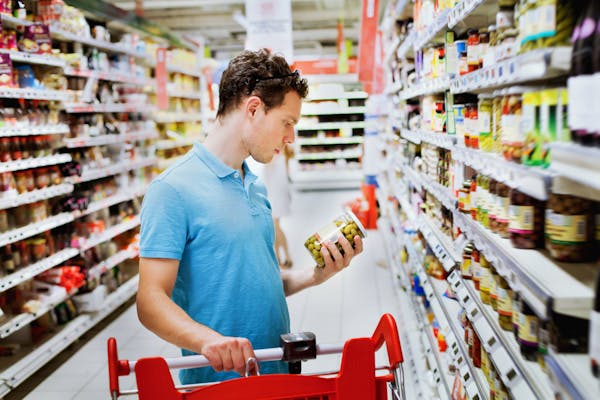
New food labels should go further than country of origin
Food Law Update: Australia - Changes to allergen labelling ... - Ashurst Allergen labelling for lupin is now mandatory in Australia and New Zealand. Food producers should ensure that all packaging for food products sold in Australia and New Zealand, including for products currently on the shelf, contains the mandatory declaration for lupin. Food producers should be aware of the review, and be prepared to make changes to their allergen declarations to ensure compliance with any new requirements arising from the review.

Every bottle of alcohol sold in Australia will get pregnancy warning label
Farmers hope new food labelling laws spur consumers to buy more ... After a two-year phase-in period, new country-of-origin food labelling laws come into full effect in July. An example of the new labelling system that is now compulsory. (Supplied) The labels clearly spell out where food is from, and which foods are grown, produced or made in Australia. All priority foods must display new country-of-origin labels.

Special edition of S.Pellegrino's bottles of water
CHOICE guide to food labelling - Nutrition A reduced-fat product should have at least 25% less fat than the product it's being compared with (and the label should tell you what that is). Or look for "low-fat" which means less than 3% (or 1.5% for drinks). 93% fat free - That's 7% fat, but it looks so much better the other way around.
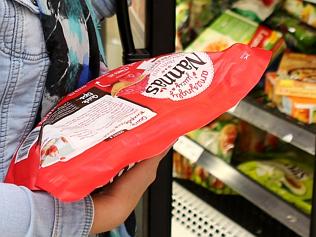
New Australian food labels will list local food content but not foreign | The Courier Mail
Food labels - Better Health Channel Australia New Zealand Food Standards Code Standard 1.2.7 Nutrition, health and related claims controls the use of content claims on food labels. Nutrition content claims make statements about certain nutrients or substances in a food (for example, 'high in calcium').
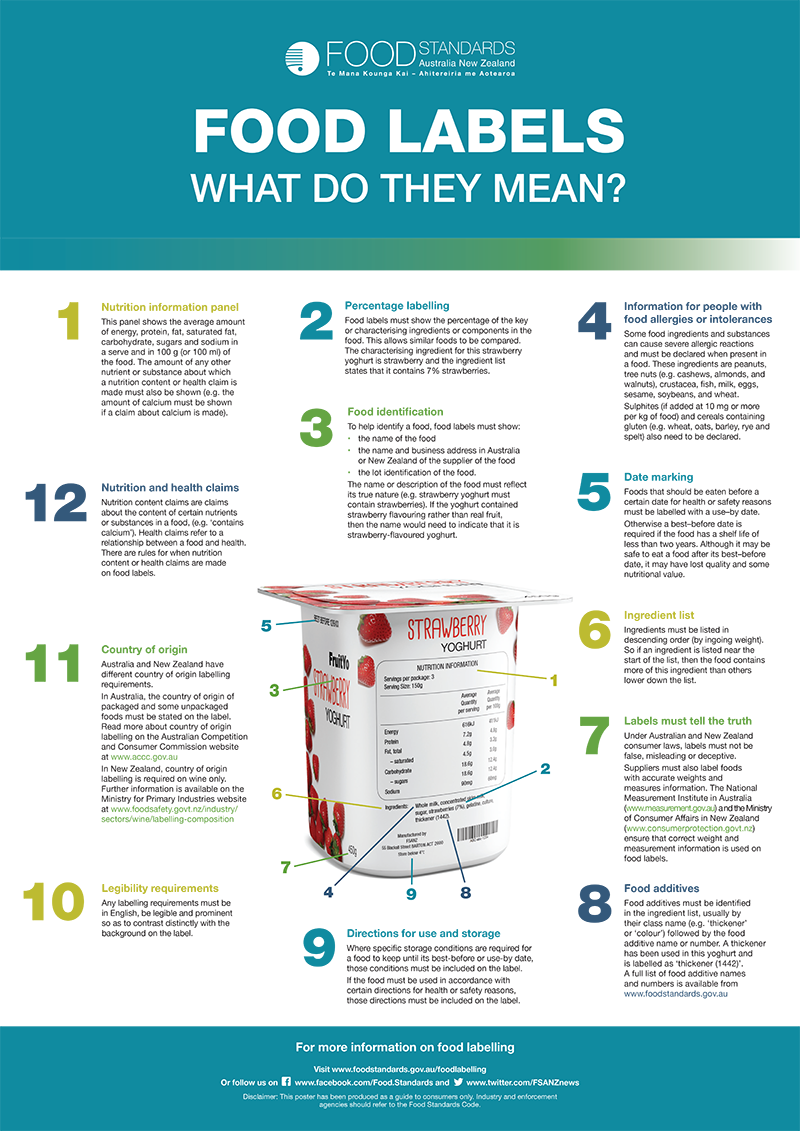
Do you find food labels confusing? We’ve... - Food Standards Australia New Zealand (FSANZ ...
Changes to food labelling laws - The Australian Made Campaign From July 1, 2016, the Australian Government incorporated the Australia Made Campaign Ltd's (AMCL) Australian Made, Australian Grown (AMAG) kangaroo logo into a new country of origin label, which, on July 1, 2018, became mandatory for most Australian food products sold in Australia.

This Incredibly Sweet Animated Film About Beans Introduces Heinz Australia’s New Cans – Adweek
Food label information | NSW Food Authority Part 1.2 of the standards sets out this requirement. All food labels must contain the following information: Name and/or description of the food. Identification of the 'lot' number (food recall information) Name and Australian or New Zealand street address of the supplier of food (food recall information) List of ingredients. Date mark.
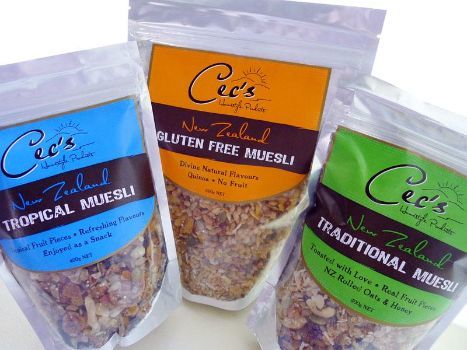
Adhesive Labels NZ | Food Product Labels Christchurch, Canterbury
Commercial Scales & Packaging Equipment [Wedderburn AU] Custom Labels Custom product labels are an effective way to achieve brand recognition, product appeal and meet your regulatory requirements regardless of whether they are food packaging labels… Compostable Labels BioLabels are available exclusively through Wedderburn. Both the material and the facestock are compostable, certified to EN13432.

New food origin labels 'may raise prices' | SBS News
How to read food labels | healthdirect Outcomes of the five year review of the Health Star Rating (HSR) take Australia and New Zealand’s nutrition labels a step closer to being world-leading, according to an analysis of front-of-pack labelling published in BMJ Global Health.

Murra Mumma: January 2012
Country of origin food labels | Department of Industry, Science and ... The current requirements for country of origin labelling for food came into full-effect in July 2018. We reviewed the reforms in 2021. The review examined how well the reforms: improved consumer access to information about the origin of food. clarified the origin claims businesses can make about their products.
Post a Comment for "39 new food labels australia"