41 diabetes and food labels
Recipes & Nutrition | ADA - American Diabetes Association As you’ll see on the nutrition labels for the food you buy, the term “total carbohydrate” refers to all three of these types. When it comes to choosing foods with carbs, the goal is to choose carbs that are nutrient-dense, which means they are rich in fiber, vitamins and minerals, and low in added sugars, sodium and unhealthy fats. The Ultimate Diabetes and Food Labels Quiz | HowStuffWorks What food items are exempt from having a nutrition facts label? foods in very small packages foods prepared in the store both of the above Advertisement A free food has a serving of: 20 calories, 4 carbohydrates 40 calories, 5 carbohydrates 50 calories, 3 carbohydrates Advertisement A low fat food has: one gram or less of fat per serving
Nutrition Facts Labels and Diabetes If you have diabetes, eating the right foods is your foundation for staying healthy. Reading the Nutrition Facts labels on foods is an important part of this mission. Nutrition Facts Labels and Diabetes

Diabetes and food labels
Type 2 Diabetes: Symptoms, Treatments, Causes, and More Oct 19, 2021 · Everything you've wanted to know about type 2 diabetes: The warning signs, possible complications, risk factors, prevention, type 2 … › diabetes › managingFood Labels | CDC If you eat the whole thing, you are eating 8 times the amount of calories, carbs, fat, etc., shown on the label. Total Carbohydrate shows you types of carbs in the food, including sugar and fiber. Choose foods with more fiber, vitamins, and minerals. Choose foods with lower calories, saturated fat, sodium, and added sugars. Avoid trans fat. Fruit and Diabetes - Can Diabetics Eat Fruit? Jan 15, 2019 · Dried fruit is higher in carbohydrate than undried fruit and non-organic dried fruit may also be preserved with sulphites. Sulphites in food may have been linked with bringing on symptoms in asthmatic people. Sulphites may appear on food labels as ‘sulphur dioxide’ or an ingredient containing the words ‘sulphite’ or ‘sulfite’.
Diabetes and food labels. Food Labels | CDC Apr 23, 2021 · Understanding the Nutrition Facts label on food items can help you make healthier choices. The label breaks down the amount of calories, carbs, fat, fiber, protein, and vitamins per serving of the food, making it easier to compare the nutrition of similar products. Food Label Know How | American Diabetes Association Food Label Know How. Plan Your Plate . Sugar Substitutes . Grupos de Alimentos y Tamaños de las Porciones. Formas Saludables de Cocinar y Sazonar los Alimentos. Compras en el Supermercado. Como Leer las Etiquetas de los Alimentos. Planifique su Plato Saludable. Sustitutos del Azúcar. American Diabetes Association 2451 Crystal Drive, Suite 900 ... PDF What Can I eat? - American Diabetes Association list of everything that is in the food. They are listed by the highest amount to the least. If the first word in the list is sugar, then there is more sugar in the food than anything else. Reading Food Labels Food labels can help you choose what foods to eat. Use the labels at right to find the best choice. 1-800-DIABETES (1-800-342-2383) www ... › food-labels › art-20047648Reading food labels: Tips if you have diabetes - Mayo Clinic Look for foods with 3 or more grams of fiber. Put sugar-free products in their place Sugar-free doesn't mean carbohydrate-free. Sugar-free foods may play a role in your diabetes diet, but remember that it's equally important to consider carbohydrates as well. A sugar-free label means that one serving has less than 0.5 grams of sugar.
Reading labels | Diabetes UK Key points Always look at the 'total carbohydrate' on the label when carb counting. This will make sure you are counting both the complex (starchy) and simple (sugary) carbs in your food. Both will raise your blood glucose (blood sugar) levels, and need to be matched with insulin. Reading Food Labels | ADA - American Diabetes Association It’s time to decode those food claims. Trying to figure out nutritional information on labels and packaging isn’t easy. The good news is that we can help. Untangle packaging claims. If you get tripped up on food content claims, you’re not alone. Fat free vs. low fat vs. reduced fat. Low ... Nutrition Facts Labels and Diabetes They show the amount of sugar, carbohydrates, sodium, cholesterol, dietary fiber, different types of fats, some vitamins, and other information. Keep in mind that the amounts listed on a nutrition label are for 1 serving, not the entire package. Check the serving size. The package may contain more servings than you realize. How to Read Food Labels When You Have Type 2 Diabetes High-fiber foods are your friends. Look out for foods with at least 3 grams of fiber per serving. Don't Ignore the Sugar-free Ingredients. Sugar-free products. Sugar-free is important for managing diabetes, but pay attention to carbohydrates. If the label says sugar-free and there are fewer carbohydrates, you're good to go.
Diabetic Food List: Best and Worst Choices - WebMD But it’s easy to get too much and gain weight, which makes it harder to manage your diabetes. Best Choices Natural sources of vegetable fats, such as … Understanding food labels fact sheet – NDSS Labels on packaged foods provide information that can help you make healthier food choices. Making healthy food choices can help you to manage your diabetes, weight, and overall health. Understanding how to read food labels can help you choose foods with more fibre and less saturated fat, salt (sodium), added sugars and kilojoules. Food Labels | Know Diabetes Red = High. This food will be high in fat, saturates, salt or sugar. These are fine to have occasionally but you should try to avoid choosing foods with red on the label too often. Amber = Medium. This means neither high nor low, so foods with all or mostly amber on the label are fine most of the time. Green = Low. Diabetes and Kidney Disease: What to Eat? | CDC Diabetes Diet. A healthy diabetes diet looks pretty much like a healthy diet for anyone: lots of fruits, veggies, healthy fats, and lean protein; less salt, sugar, and foods high in refined carbs external icon (cookies, crackers, and soda, just to name a few). Your individual carb goal is based on your age, activity level, and any medicines you take.
SPLENDA® No Calorie Liquid Sweetener French Vanilla Flavors for Coffee - SPLENDA® Online Store
Reading food labels: Tips if you have diabetes - Mayo Clinic Jun 25, 2021 · When you're looking at food labels, start with the list of ingredients. Keep an eye out for heart-healthy ingredients, especially those that are less processed, such as whole-wheat flour, soy and oats. Monounsaturated fats — such as olive, canola or peanut oils; nuts; and seeds — promote heart health, too.
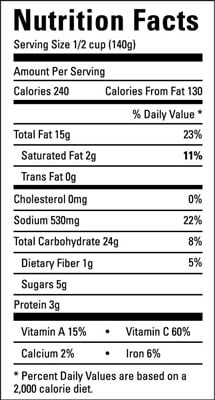
How Nutrition Facts Labels Can Help Manage Your Diabetes - dummies
Reading Food Labels When You Have Diabetes - WebMD It has measurements of fat, cholesterol, sodium, carbohydrates, protein, vitamins, and minerals for a typical amount of that food. This information can make it easier for you to choose foods that...

Food Labels Made Easy - Diabetes UK Shop
Making Sense of Food Labels | ADA - diabetes.org As of January 2021, labels must include added sugar to help you know the difference between sugar that occurs naturally in the food (like yogurt or fruit) and sugar that was added during processing (like in cookies, candy and soda). Many labels have already made the change. Learn more about sugar and the three main types of carbohydrates. Fiber
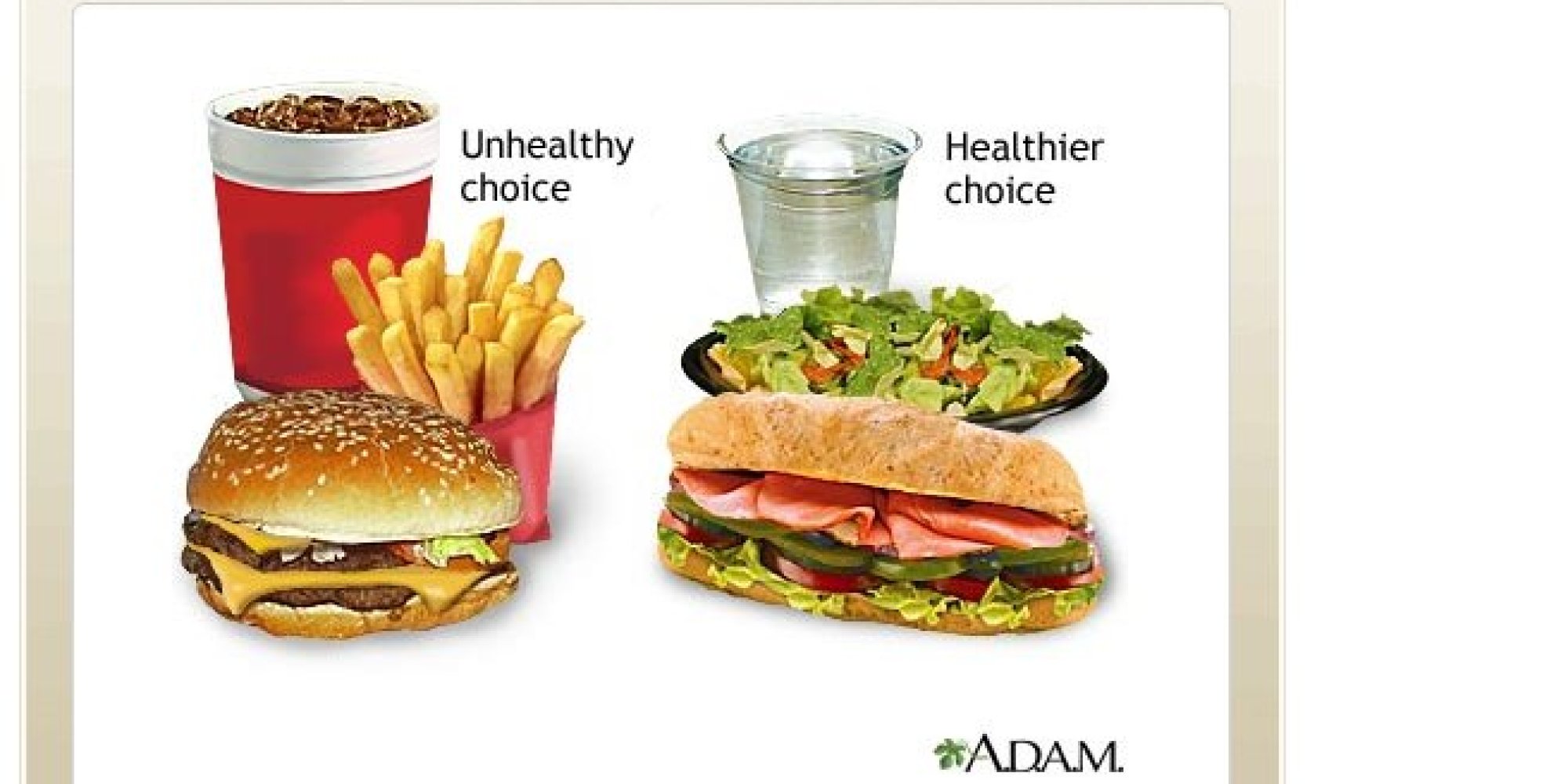
McDonald's Tells Workers To Avoid Fast Food | HuffPost
Learning To Read Labels :: Diabetes Education Online On a nutrition food label, subtract the fiber from the total carbohydrate amount. When you read food labels, the grams of sugar are already included in the total carbohydrate amount, so you do not need to count this sugar amount separately. The grams of sugar listed include both natural sugars, from fruit or milk, and added sugars.

How to Read a Food Label for a Diabetic Diet
Understanding food labels | Diabetes UK The labels show how many calories are in the food or drink and are also colour coded to show whether the food is low (green), medium (amber) or high (red) in fat, saturated fat, sugar and salt. The information on the front of the pack also tells you how the portion of the food contributes to the Reference Intake (RI) of an adult.

Buy English Pear x5 in Nigeria | Fruits | Supermart.ng
How to Read the New Food Label All food products should have the new label by January 2021. It's essential for people with diabetes to read labels and understand what's in the food you eat. The Nutrition Facts label gives you information to compare products and decide what's right for you. When reading the Nutrition Facts label, start at the top with information about servings.
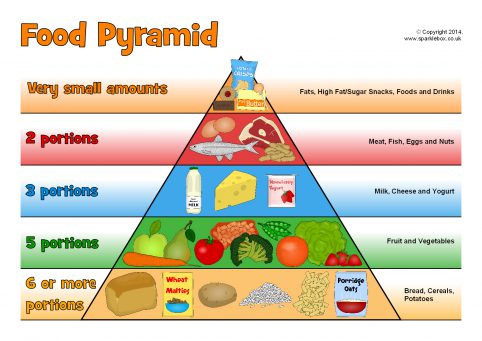
Food Pyramid Posters (SB10967) - SparkleBox
› about-diabetes › resourcesUnderstanding food labels fact sheet – NDSS Labels on packaged foods provide information that can help you make healthier food choices. Making healthy food choices can help you to manage your diabetes, weight, and overall health. Understanding how to read food labels can help you choose foods with more fibre and less saturated fat, salt (sodium), added sugars and kilojoules.

What Is Bad About Mono- & Diglycerides? | LIVESTRONG.COM
Food Labels and How to Read Them - Diabetesnet.com These labels also give the exact number of grams of carbohydrate contained in a serving and the size of this serving. For those with diabetes, food labels are extremely helpful for carb counting and for determining appropriate insulin doses for these foods. What consumers get from food labels:

3 Critical Food Label Elements Every Diabetic Should Understand – Diabetes Daily
A guide to food labels | Nutritional value | Diabetes NSW & ACT A guide to food labels. Being able to easily check the nutrition content and ingredients of food is a top priority when you live with diabetes. You should aim to eat more fresh food and less processed (wrapped) food as fresh has more nutrients and fibre. Sometimes eating packaged food is unavoidable. That's when food labels can help you make ...

Food Production, Nutrition and Specialty Labels
› health › type-2-diabetesType 2 Diabetes: Symptoms, Treatments, Causes, and More Oct 19, 2021 · Everything you've wanted to know about type 2 diabetes: The warning signs, possible complications, risk factors, prevention, type 2 in children, and more. ... Read food labels closely to ...

How Statins Cause Heart Problems; Use These Natural Solutions Instead – REALfarmacy.com
› understanding-food-labelsUnderstanding food labels | Diabetes UK The labels show how many calories are in the food or drink and are also colour coded to show whether the food is low (green), medium (amber) or high (red) in fat, saturated fat, sugar and salt. The information on the front of the pack also tells you how the portion of the food contributes to the Reference Intake (RI) of an adult.

Other Names for Sugar on Food Labels | LoveToKnow
PDF Label reading basics for diabetes - Veterans Affairs Label Reading Basics for Diabetes Nutrition and Food Services (05/2020) Serving Size • The serving size is the portion size used for all the values on the label. • Different foods have different serving sizes. • The serving size on this label is 2/3 cup. Servings per Container • Indicates the number of
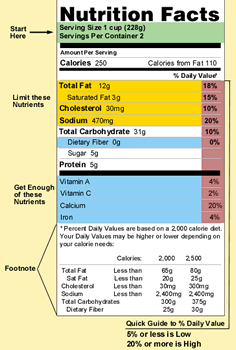
food label
4 Things Diabetics Should Always Look for on Food Labels 2. Sugar Next, sugar is also harmful to a diabetic diet. So watch out when sugar is listed high on the ingredients list. Food labels will list ingredients from the highest weight first. Additionally, look for other sugar names such as: dextrose glucose fructose sucrose Maltose malt syrup corn syrup corn sweetener 3. Fiber
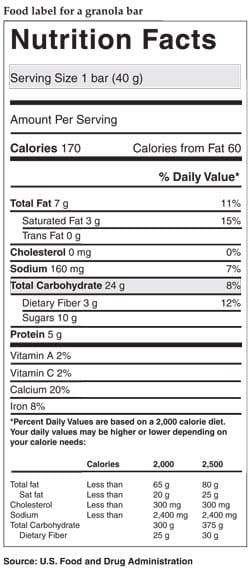
37 Read A Food Label - Labels 2021
Diabetes and Food Labelling - Diabetic Food, Traffic Light Labels and GDA Foods for diabetes Food labelling plays a useful part in diabetes management and following a healthy lifestyle. There is a lot of information to be found on food packaging, so it helps to know which of the information is best to focus on. Making sense of food labels The most important information is usually found on the back of packaging.

33 Diabetic Food Label - Labels For Your Ideas
Reading Food Labels to manage Diabetes When reading food labels, it is important to understand the difference between simple and complex sugars, as their effect on blood glucose levels is not the same: Simple, or "fast", sugars have a high glycaemic index and will therefore be rapidly digested, which can cause hyperglycaemia.

11 best Nutrition Facts Label images on Pinterest | Food labels, Healthy children and Healthy kids
Learning To Read Labels :: Diabetes Education Online On a nutrition food label, subtract the fiber from the total carbohydrate amount. When you read food labels, the grams of sugar are already included in the total carbohydrate amount, so you do not need to count this sugar amount separately. The grams of sugar listed include both natural sugars, from fruit or milk, and added sugars.

Diabetes MyPlate Handouts | DIabetes | Pinterest | Diabetes, Nutrition and Nutrition education
Reading Food Labels When You Have Diabetes | Cigna Introduction. When a food comes in a package, take a look at the Nutrition Facts label and ingredient list on the package. Start with the "% Daily Value" column on the food label. A food is considered low in a specific nutrient (such as fat, saturated fat, carbohydrate, or sodium) if it has 5% or less of the daily value.

46 best Diabetes images on Pinterest | Diabetes care, Diabetic living and Beat diabetes
How to Read a Food Label for a Diabetic Diet Here's why, as well as other food label lines that deserve a second glance. 1. Total carbohydrates. This gram count includes all types of carbs: sugar, complex carbohydrates, and fiber. Each type of carb affects blood glucose, so when you have diabetes you need to consider all three together. "Total carbohydrate is the best indicator of how ...
Post a Comment for "41 diabetes and food labels"