38 how to understand calories on food labels
Food Labels 101: Understanding the Nutrition Facts Label Nutrition labels are based on a daily 2,000 calorie diet. Depending on your age, gender and activity level, you may need to consume more or less than 2,000 calories per day, so keep this in mind when viewing each label. Now let's take a look at the parts of the nutrition facts label and break it all down. Anatomy of a Nutrition Facts Label PDF How Do I Understand the "Nutrition Facts" Label? your total calories. For a person who needs 2,000 calories a day, this is 120 calories or less, or about 13 grams of saturated fat. Most foods in the grocery store have a Nutrition Facts label and ingredient list. When you go grocery shopping, take time to read the Nutrition Facts labels on the foods you purchase. Compare the nutrients and
How to Read Carbohydrates on Food Labels - GlycoLeap That would be around 15 to 30 g of carbohydrates. Snack = 15 - 30 g of carbohydrate. For the main meals (breakfast, lunch, dinner), 2 to 3 servings of carbs would be enough. That is about 30-45 g of carbohydrates. 3 servings of carbohydrates are about the size of 1 fist size of rice.

How to understand calories on food labels
How to read food labels: MedlinePlus Medical Encyclopedia If you eat 2 cups (0.48 liters) at a meal, you are eating 2 servings. That is 2 times the amount of the calories, fats, and other nutrients listed on the label. Calorie information tells you the number of calories in 1 serving. Adjust the number of calories if you eat smaller or larger portions. How to Read Nutrition Labels: 101 - Basic Learning how to properly read a nutrition label will set you up for success when choosing foods and brands to pick while at the grocery store. All nutrition fact labels have the same format and will let you know: The Serving Size, Calories, Total Fat, Saturated fat, Trans fat, Cholesterol, Sodium, Total carbohydrate, Dietary fiber, Sugars ... How To Read Food Labels: Understanding the Basics - Instacart The nutrition facts table is usually found on the rear or the side of the label. This is perhaps the most useful part of a food label, providing a detailed breakdown of the product's nutritional content, including calories, protein, carbohydrates, fat, and more. 1. Beware of misleading claims
How to understand calories on food labels. How to Read the Nutrition Facts Label on Packaged Foods Sodium. Many people get far too much salt, or sodium. Most of it is in packaged foods and restaurant items. Limit salt to 2,300 milligrams (about 1 teaspoon) daily. If you have high blood pressure ... Understanding Food Labels | The Nutrition Source | Harvard T.H. Chan ... The label lists the calorie amount for one serving of food. The serving size, also important but often unnoticed, is easily doubled or tripled when not paying attention to the serving size, quickly inflating the calories. Highlighting both of these values emphasizes their importance and relationship. Understanding Food Nutrition Labels | American Heart Association 1 - Start with the serving information at the top. This will tell you the size of a single serving and the total number of servings per container (package). 2 - Next, check total calories per serving and container. Pay attention to the calories per serving and how many calories you’re really consuming if you eat the whole package. How to Read Nutrition Facts Label - Food Network The point is food companies know that 200 calories will look way more appealing to a shopper than 800 calories. Once again, it's companies trying to lure you in. This carries over to all the other...
How to Understand and Use the Nutrition Facts Label | FDA Feb 25, 2022 · That is two times the calories and nutrients shown in the sample label, so you would need to double the nutrient and calorie amounts, as well as the %DVs, to see what you are getting in two... How To Read Nutrition Labels Typically, you should stick to eating 1-2 serving sizes of a respective food or drink. All the nutrient amounts—including calories—refer to the serving size listed on the label. 2. Calories A calorie is a unit of energy; specifically, a measurement of how much energy you receive from a serving of food. Understanding Food Nutrition Labels - Calorie Control Council Always looking at the Nutrition Facts label helps cut through the buzzword jargon. First, it's important to understand that sugar is not fat. Sugar is listed under the carbohydrates, which is also where you find fiber. When looking to reduce your calorie intake, choosing items using low calorie sweeteners like allulose really come in handy. Food labels - NHS Most pre-packed foods have a nutrition label on the back or side of the packaging. These labels include information on energy in kilojoules (kJ) and kilocalories (kcal), usually referred to as calories. They also include information on fat, saturates (saturated fat), carbohydrate, sugars, protein and salt.
How To Read Food and Beverage Labels | National Institute on ... Feb 24, 2022 · Or you can call the U.S. Department of Agriculture’s Food and Nutrition Information Center at 301-504-5414. Understanding percent Daily Value (% DV) The percent Daily Value (% DV) tells how much a nutrient in a serving of the food or beverage contributes to a total daily 2,000-calorie diet. How to understand food nutrition labels - Medium Calories per serving This number tells you how much energy is contained in one serving of this food. Calories are units of energy. Our bodies burn calories during activity and we gain calories from... How Do They Calculate Calories on Food Labels? The researchers ignite the food with an electric current, the water absorbs the heat released as the food burns, and a thermometer measures the changes in temperature in the water. Finally, the calories are determined by calculating the change in water temperature multiplied by the volume of water. Calories on food labels How to Read a Nutrition Facts Label - Everyday Health How to Read a Nutrition Facts Label First, know that, as the label itself states, the included nutritional info is based on a 2,000-calorie-a-day diet. Your personal nutritional needs may vary,...
Food Packaging and Label Tricks You Still Fall For | Reader's Digest
Is a 1,200-Calorie a Day Meal Plan Right for You | U.S. News | Food ... Understanding the New Nutrition Label The FDA has revised its nutrition food labels for the first time in more than 20 years. Explore the changes and how to read these new labels.

Are the Calorie Counts on Food Labels Accurate? : WeightLossNews
Food Labels | CDC Understanding the Nutrition Facts label on food items can help you make healthier choices. The label breaks down the amount of calories, carbs, fat, fiber, protein, and vitamins per serving of the food, making it easier to compare the nutrition of similar products. Be sure to look at different brands of the same foods—nutrition information ...

The Metabolism Series: Understanding Metabolism & Weight Loss — Nutrition Realm
How to understand food labels - Eat For Health The Nutrition Information Panel on a food label offers the simplest and easiest way to choose foods with less saturated fat, salt (sodium), added sugars and kilojoules, and more fibre. It can also be used to decide how large one serve of a food group choice or discretionary food would be and whether it's worth the kilojoules.

Read Food Labels To Understand Calories and Portion Sizes
Your Nutrition Label Cheat Sheet—How to Read Labels the Right Way It's a good idea to pay attention to the serving size, especially how many servings there are in the food package, to understand what you're eating or drinking. For example, if 1 serving equals 1 cup, and you eat 2 cups, you would be consuming 2 servings. That's two times the calories and nutrients shown on the label. Calories
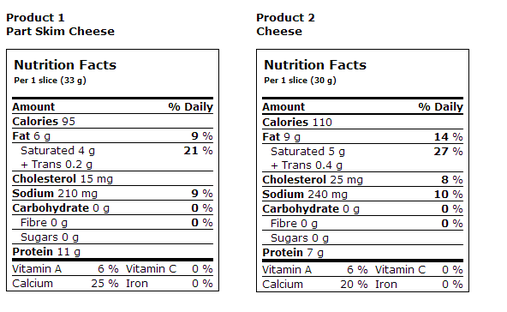
Understanding Food Labels - Health and Well -being for Women
Reading food labels shouldn't be complicated. Here's how to understand ... Health Canada. On June 30, Health Canada announced new nutrition labelling regulations that will require prepackaged foods high in saturated fat, sugars and/or sodium to display a front-of-package ...
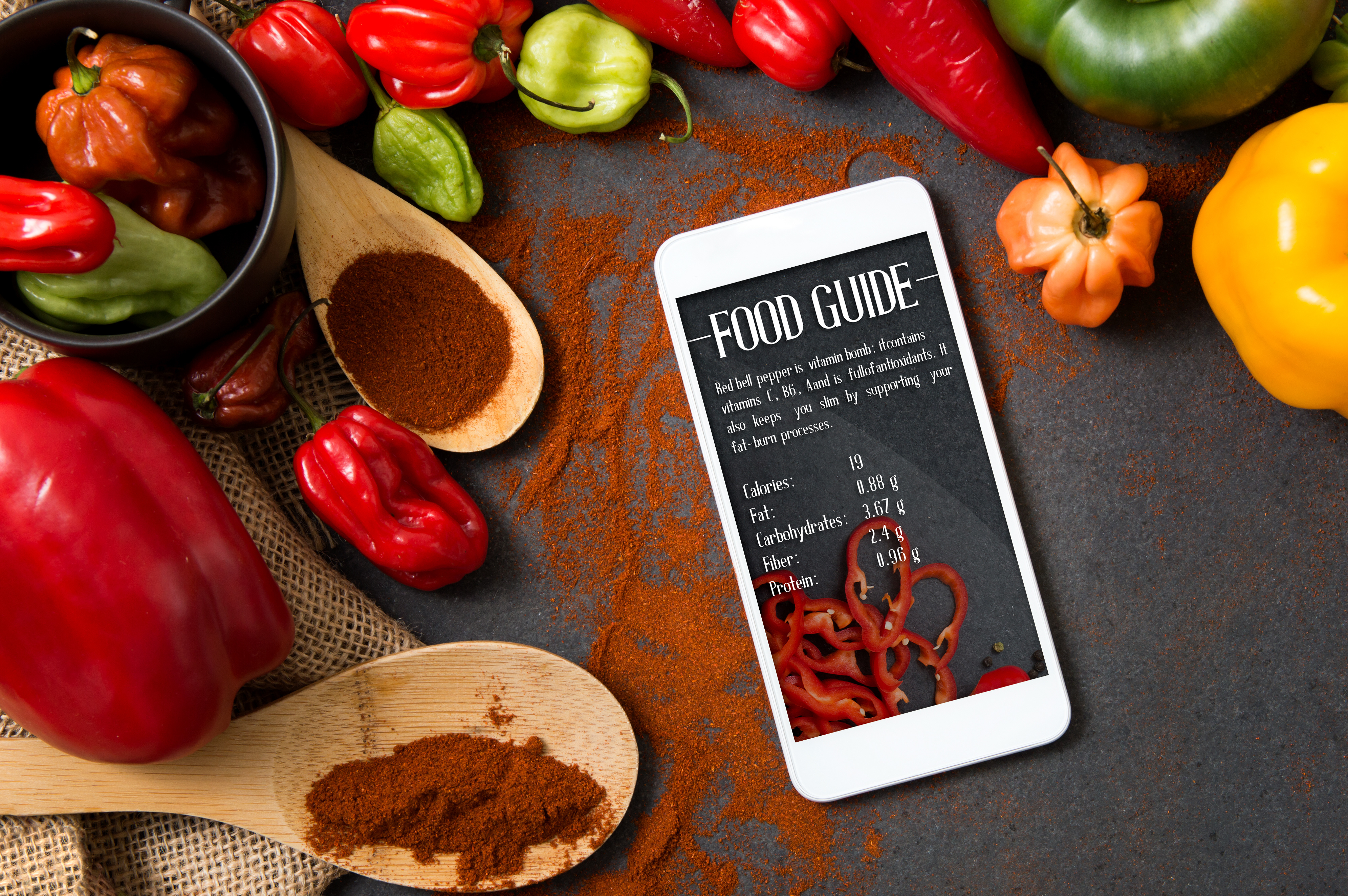
Nutrition Facts Labels: What Does it All Mean? | An Organic Conversation
3 Ways to Read Nutrition Facts on Food Labels - wikiHow Empty calories refer to calories that are low in nutritional value, like pizza, soda, or sausage. 2 Read the fat content in a serving and check what types of fat are present. The next row on the label is fat, and it is accompanied by 2 different types of fat underneath the total number content.
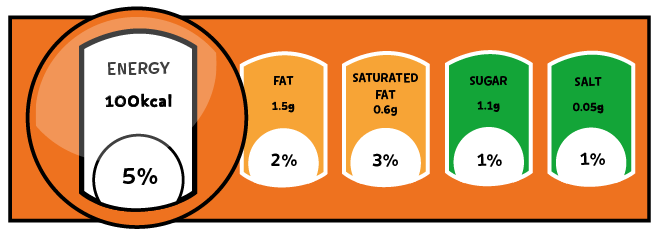
Food Labels | Nutrition Labels | Change4Life
PDF How to Read the Food Label - Risk Services Look at the calories on the label and compare them with the nutrients. Then decide if the food is a good choice for you. Know your fats. Look for foods low in saturated fats, trans fats, and cholesterol to help reduce the risk of heart disease (5% DV or less). There's no DV for trans fat because it's best to limit or avoid it.
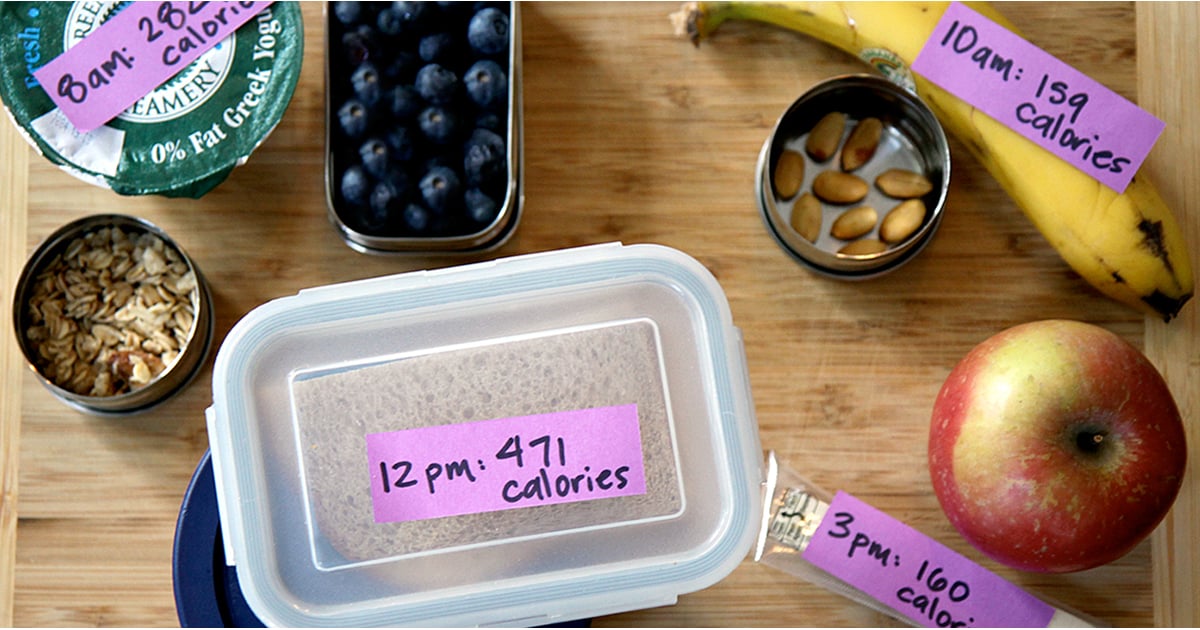
Make Food Labels With Calorie Counts | POPSUGAR Fitness
Calories on the New Nutrition Facts Label | FDA Calories refers to the total number of calories, or "energy" you get from all sources (carbohydrate, fat, protein, and alcohol) in a serving of a food or beverage. Calories Go Big Calories are now...
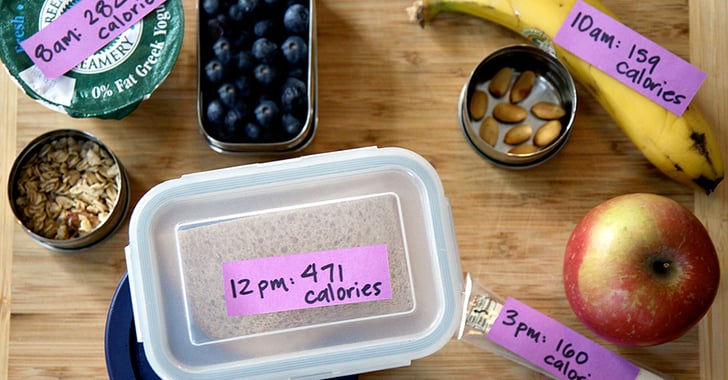
Make Food Labels With Calorie Counts | POPSUGAR Fitness
How to Read Food Labels & Count Carbs | Allulose Compare what is shown as serving size to the typical eating occasion of the food or beverage. If you are likely to consume the entire contents, and the label shows two (2) servings per container, don't forget to double everything shown — from calories to fat to carbohydrates. Limit the Calories

Chile Battles Obesity With Stop Signs On Packaged Foods : The Salt : NPR
How To Read Food Labels: Understanding the Basics - Instacart The nutrition facts table is usually found on the rear or the side of the label. This is perhaps the most useful part of a food label, providing a detailed breakdown of the product's nutritional content, including calories, protein, carbohydrates, fat, and more. 1. Beware of misleading claims

How to Read Food Labels - Food Labels Explained
How to Read Nutrition Labels: 101 - Basic Learning how to properly read a nutrition label will set you up for success when choosing foods and brands to pick while at the grocery store. All nutrition fact labels have the same format and will let you know: The Serving Size, Calories, Total Fat, Saturated fat, Trans fat, Cholesterol, Sodium, Total carbohydrate, Dietary fiber, Sugars ...

Why most food labels are wrong about calories
How to read food labels: MedlinePlus Medical Encyclopedia If you eat 2 cups (0.48 liters) at a meal, you are eating 2 servings. That is 2 times the amount of the calories, fats, and other nutrients listed on the label. Calorie information tells you the number of calories in 1 serving. Adjust the number of calories if you eat smaller or larger portions.

F.D.A. Finishes Food Labels for How We Eat Now - The New York Times

The Calorie Delusion in Food Labels
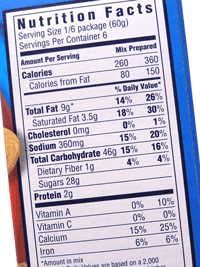
Food Labels - Definition, Facts And Resources - Guide For Parents On Using Food Labels
Post a Comment for "38 how to understand calories on food labels"