45 health claims on food labels australia
Label Claims for Food & Dietary Supplements | FDA Among the claims that can be used on food and dietary supplement labels are three categories of claims that are defined by statute and/or FDA regulations: health claims, nutrient content claims,... How to read food labels - healthdirect In Australia, the law requires all manufactured foods to carry labels containing safety and nutrition information. This information helps you to make decisions about the food you buy and eat so you can follow a healthy diet. The label will tell you: the name of the product, describing accurately what it is the brand name
Nutrition, health and related claims - Food Standards Health claims You can only base health claims on food-health relationships that have been substantiated according to Standard 1.2.7. All health claims must be supported by scientific evidence to the same degree of certainty, whether they are pre-approved by us or self-substantiated by food businesses. General level health claims
Health claims on food labels australia
CHOICE guide to food labelling - Nutrition Nutrition content claims and health claims. In 2013, a new standard was introduced to regulate nutrient claims and health claims on food labels. Nutrition content claims are claims about the content of certain nutrients or substances in a food, such as 'low in fat' or 'good source of calcium'. These claims will need to meet certain ... Food labels - Better Health Channel There are only 13 pre-approved high level health claims that can be made in Australia. Voluntary labelling - Percentage Daily Intake (%DI) and Health Star Rating (HSR) Some manufacturers voluntarily display additional symbols related to the nutrition content of the product. Probiotic Health Claims | FAQs | The Food Safety Authority ... Anything that states, suggests or implies a relationship between food and health can be considered to be a health claim. For this reason, the term 'probiotic', when used on a food label, is considered to be a health claim. Are there any approved health claims on probiotics? There are no approved health claims for probiotics.
Health claims on food labels australia. Nutrition content and health claims | Obesity Evidence Hub Australia's Food Standards Code sets out requirements for manufacturers wishing to make nutrient content claims ('low in fat') and health claims ('nuts contribute to heart health') on food labels. Fair trading laws in Australia also require that food labels do not misinform consumers through false, misleading or deceptive representations. Labelling Guidance - Australian ... - Australian Beverages Nutrition content claims and health claims are voluntary statements made by food businesses on labels and in advertising about a food. Standard 1.2.7 sets out the rules for food businesses choosing to make nutrition content claims and health claims. Health & nutrition claims | NSW Food Authority The Food Standard Code contains 200 pre-approved food-health relationships that any health claim must comply with. From January 2016, food businesses must comply with criteria set out in Standard 1.2.7 (Nutrition, health and related claims) for food labels and advertisements. Health and nutrition claims - NSW Food Authority Health and nutrition content claims are voluntary statements made by food businesses on labels and in advertising about the health benefits of the food and need to meet the criteria set out in the Food Standards Code.. Health claims refer to a relationship between a food and health.They link a particular nutrient or substance in the food with an effect on health, or to a serious disease, or ...
HEALTH CLAIMS ON FOOD - Public Health Association of ... claims on food products was introduced in Australia and New Zealand, in accordance with the fundamental nutrition principle that it is the total dietary balance that is important for health, and not individual foods claiming special medical benefits. 2. This prohibition policy has effectively prevented many Nutrition function, health and related claims on packaged ... Health claims currently are not permitted on food labels, with one exception. The aim of this study was to describe the use of such claims on packaged food for sale in Australia (excluding nutrient content claims) prior to any changes to the regulations, and measure compliance with existing regulations. Advertising Compliance and Food Packaging | LegalVision This article will explain the laws regarding food advertising and what claims, as a business, you are permitted to make. Food Standards Legislation. The Food Standards Australia New Zealand Act 1991 (Cth) contains the Australia and New Zealand Food Standards Code (' the Code ') and governs food packaging and labels. The objectives of this ... How to understand food labels - Eat For Health Sometimes labels will include nutrition content claims like 'low fat', 'reduced salt' or 'high fibre'. These claims can only be used if the food meets certain criteria. For example, with a 'good source of calcium' claim, the food must contain more than a set amount of calcium.
Health claims and functional foods Five publications have reported surveys of the use of health claims on food labels, in magazine advertising and on the Internet. High-level claims that do not comply with current food regulations are being used, particularly in advertising. Both dietitians and marketing experts agree that many of the Decoding the Nutrition Label: Health Claims ... - Unlock Food Many Canadians use the nutrition label to find out about the amount of calories or nutrients found in a certain food. The nutrition label has plenty of information to help you make healthy choices at the grocery store. The nutrition label includes the Nutrition Facts table, the ingredient list, health claims and nutrient content claims.Health claims and nutrient content claims are two tools ... Australia New Zealand Food Standards Code - Standard 1.2.7 ... Standard 1.2.7 Nutrition, health and related claims. Note 1 This instrument is a standard under the Food Standards Australia New Zealand Act 1991 (Cth). The standards together make up the Australia New Zealand Food Standards Code. See also section 1.1.1—3. Note 2 The provisions of the Code that apply in New Zealand are incorporated in, or adopted under, the Food Act 2014 (NZ). What Are The Labelling and Packaging Laws in Australia ... Australia has strict labelling and packaging laws. Failing to comply with these laws can result in damage to your business and customers. As a general rule, all product packaging and labels must comply with the Australian Consumer Law (ACL). The ACL prohibits you from making misleading, deceptive, or false claims on your products.
PDF How effective is food industry self-substantiation of food ... misleading general-level health claims on food labels. Keywords Food labelling Health claims Food policy Food industry Food regulation Dietary guidelines have been implemented or are being developed by more than 100 countries(1). Consistent with other countries(1), the Australian Dietary Guidelines recommend consuming a wide variety of foods ...

RSPCA encourages Australians to eat humanely this Christmas | The Advocate
Australia New Zealand Food Standards Code - Schedule 4 ... Schedule 4 Nutrition, health and related claims. Note 1 This instrument is a standard under the Food Standards Australia New Zealand Act 1991 (Cth). The standards together make up the Australia New Zealand Food Standards Code.See also section 1.1.1—3. This Standard, together with Schedule 5 and Schedule 6, relates to Standard 1.2.7 (nutrition, health and related claims), and sets out ...

Seven Sneaky Food Labelling Tricks To Watch Out For | Lifehacker Australia
Health Claims - Canada.ca A health claim is optional for a food. However, when it is made, it must be truthful and not misleading according to Subsection 5 (1) of the Food and Drugs Act (FDA). This means that manufacturers and importers must have scientific evidence to substantiate a food health claim prior to its use.

9 Hidden Facts the Food Industry Doesn't Want You to Know | LIVESTRONG.COM
How effective is food industry self-substantiation of food ... food standard 1.2.7 (the 'standard' hereafter) on nutrition, health and related claims permits three types of claim on food labels: (i) nutrition content claims highlighting the presence or absence of a nutrient, e.g. 'contains calcium'; (ii) general-level health claims stating, suggesting or implying that a food or property of that food has a …

Ag News: New Food Health Claims/Labeling
Health-related claims on food labels in Australia ... Objective Health and related claims on food labels can support consumer education initiatives that encourage purchase of healthier foods. A new food Standard on Nutrition, Health and Related Claims became law in January 2013. Implementation will need careful monitoring and enforcement to ensure that claims are truthful and have meaning.
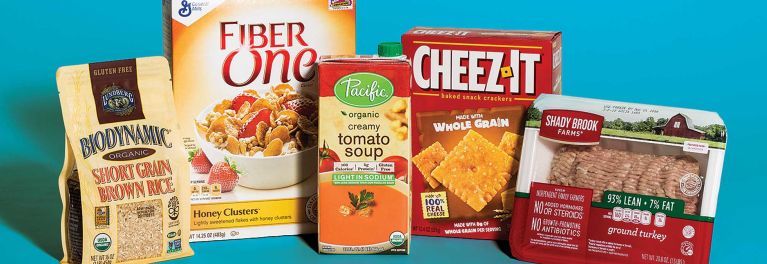
Can You Believe the Health Claim on That Food Label? - Consumer Reports
Nutrition content claims and health claims - Food Standards Nutrition content claims are about the content of certain nutrients or substances in a food, such as 'low in fat' or 'good source of calcium'. These claims need to meet certain criteria. For example, food with a 'good source of calcium' claim needs to contain at least the amount of calcium specified in the Standard.

Guide to Food Label Health Claims - Stephanie Kay
Health-related claims on food labels in Australia ... Abstract Objective: Health and related claims on food labels can support consumer education initiatives that encourage purchase of healthier foods. A new food Standard on Nutrition, Health and Related Claims became law in January 2013. Implementation will need careful monitoring and enforcement to ensure that claims are truthful and have meaning.

Chinese woman eats dozens of LIVE bugs in food market in video | Daily Mail Online
Food labelling - health.vic.gov.au Food labels are required by law to carry essential information so that consumers are informed of the nature and properties of foods prior to purchase -- this includes statements about the presence of allergenic ingredients that could lead to life-threatening allergic reactions in susceptible persons if the labelling information is not accurate.

Food Labels – Health Claims – Monkeysee Videos
Health Claims on Food Labels - Kaiser Permanente A diet low in total fat may reduce the risk of some cancers." But just because a food label has a health claim does not mean that the food is healthy for you. For example, a food that is labeled as "a good source of calcium" may still be high in fat, salt, or sugar. Terms you can trust Terms on labels are legally defined for food companies.

'A third of the girls with real boobs are considering implants': NFL's oldest cheerleader spills ...
PDF how to understand food labels - Eat For Health how to understand food labels What to look for… Don't rely on health claims on labels as your guide. Instead learn a few simple label reading tips to choose healthy foods and drinks, for yourself. You can also use the label to help you lose weight by limiting foods that are high in energy per serve.

34 Which Health Claim On A Food Label Is Not Allowed - Labels Information List
Authorized Health Claims That Meet the Significant ... Authorized Health Claims That Meet the Significant Scientific Agreement (SSA) Standard Authorized health claims in food labeling are claims that have been reviewed by FDA and are allowed on food...

15 Health Claims on Food Labels That Are Total BS — Sorry!
PDF Getting Your Claims Right - Food Regulation Food sold in Australia and New Zealand must comply with Chapters 1 and 2 of the Food Standards Code. All food businesses, including importers, in Australia and New Zealand must comply with Standard 1.2.7 when making nutrition content claims and health claims on food labels, in advertisements and in endorsements on food.
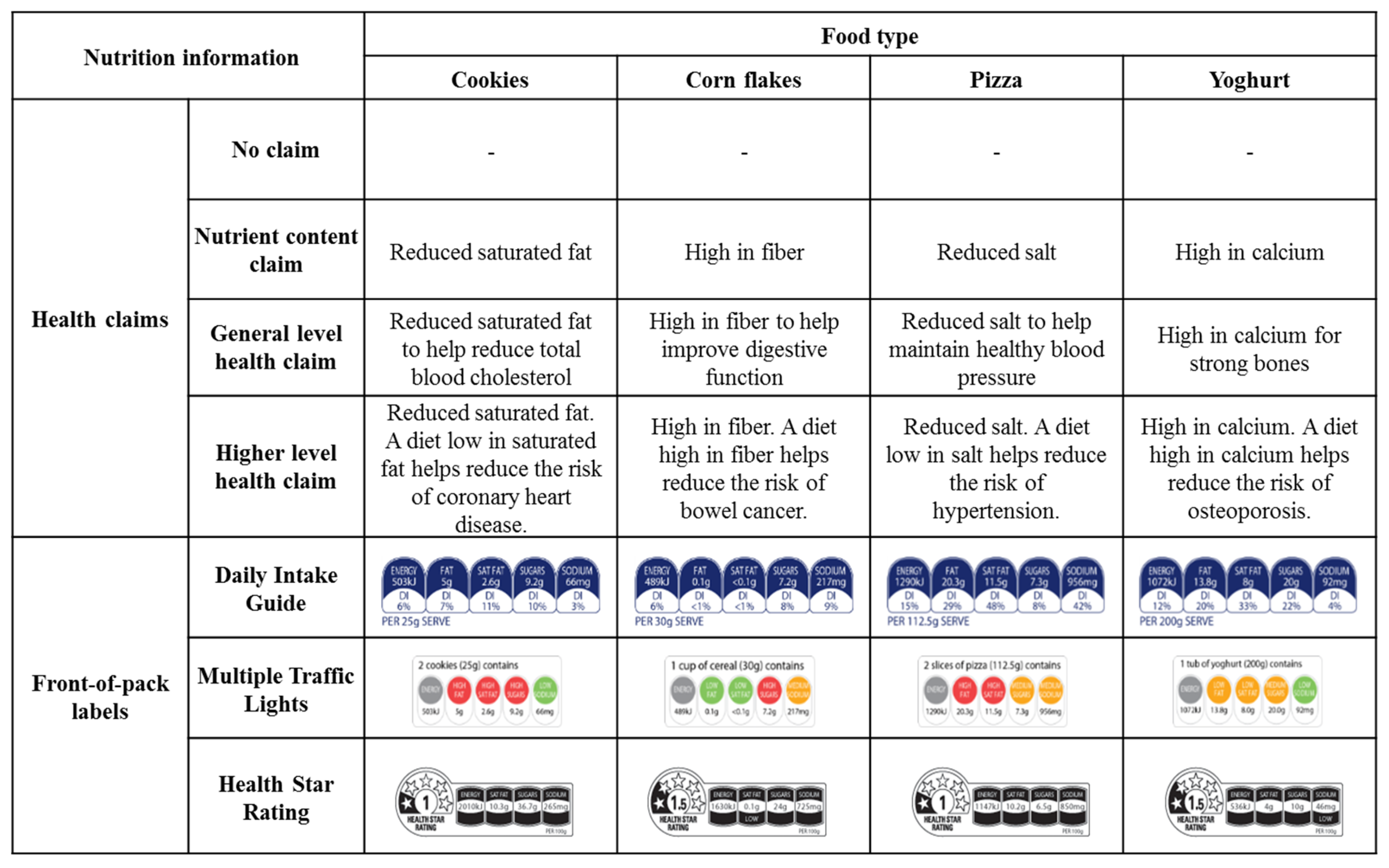
Nutrients | Free Full-Text | Do Health Claims and Front-of-Pack Labels Lead to a Positivity Bias ...
Probiotic Health Claims | FAQs | The Food Safety Authority ... Anything that states, suggests or implies a relationship between food and health can be considered to be a health claim. For this reason, the term 'probiotic', when used on a food label, is considered to be a health claim. Are there any approved health claims on probiotics? There are no approved health claims for probiotics.

Guide to Food Label Health Claims - Stephanie Kay | Nutritionist & Speaker
Food labels - Better Health Channel There are only 13 pre-approved high level health claims that can be made in Australia. Voluntary labelling - Percentage Daily Intake (%DI) and Health Star Rating (HSR) Some manufacturers voluntarily display additional symbols related to the nutrition content of the product.

Woman who had a severe underbite reveals her transformation after undergoing double jaw surgery ...
CHOICE guide to food labelling - Nutrition Nutrition content claims and health claims. In 2013, a new standard was introduced to regulate nutrient claims and health claims on food labels. Nutrition content claims are claims about the content of certain nutrients or substances in a food, such as 'low in fat' or 'good source of calcium'. These claims will need to meet certain ...

Post a Comment for "45 health claims on food labels australia"